I went to Koyasan and the Kumano Kodo with an interest in sacred places and a beginner’s curiosity about walking. I wanted to see the temples, forests, shrines, waterfalls and hot springs, and to find a way through them that suited my own energy.
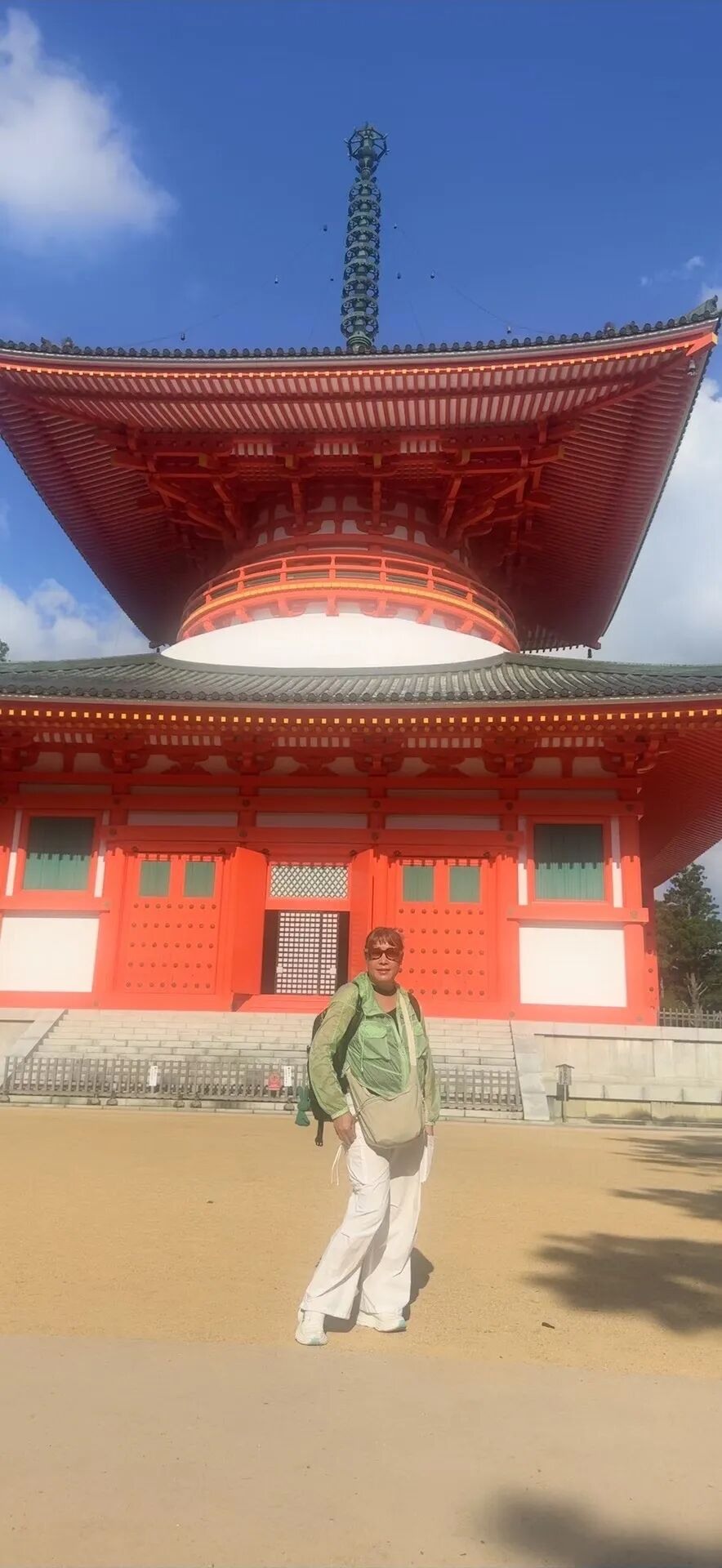
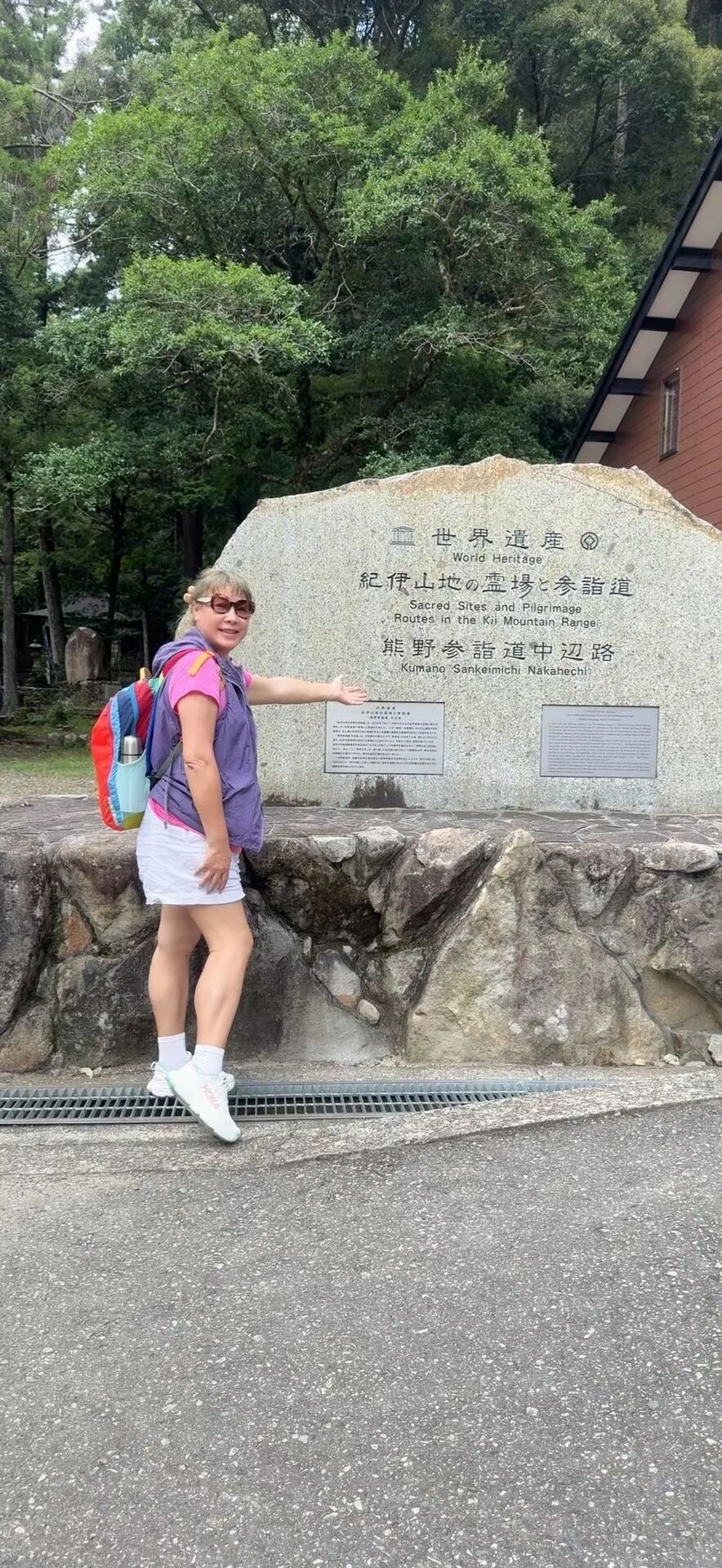
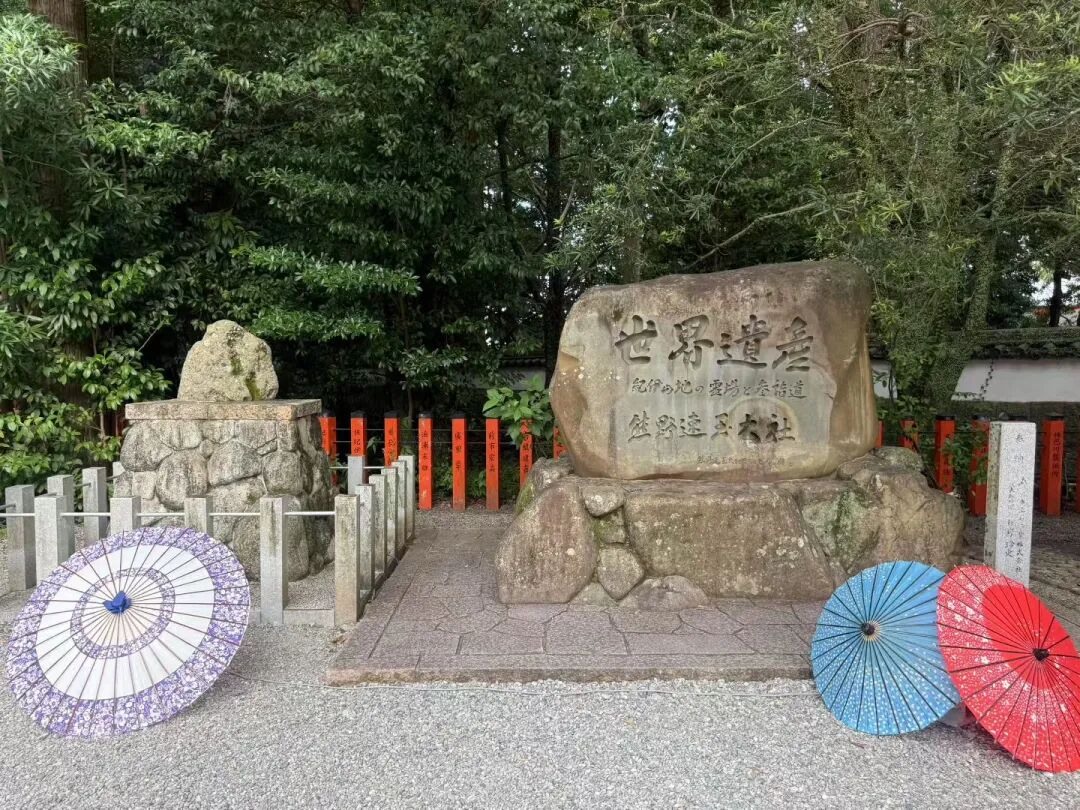
Koyasan and Kumano belong to UNESCO’s Sacred Sites and Pilgrimage Routes in the Kii Mountain Range. The heritage is a network of places and routes shaped by the meeting of Buddhist traditions and Japan’s traditions of sacred nature. Walking here gave that connection a physical setting.
An hour of ajikan at Koyasan
At Kongobu-ji I joined an ajikan meditation session beside the rock garden. The explanation was in Japanese, but an English practice sheet helped me follow. I tried attending to the letter A, the visual forms described in the sheet and my breathing.
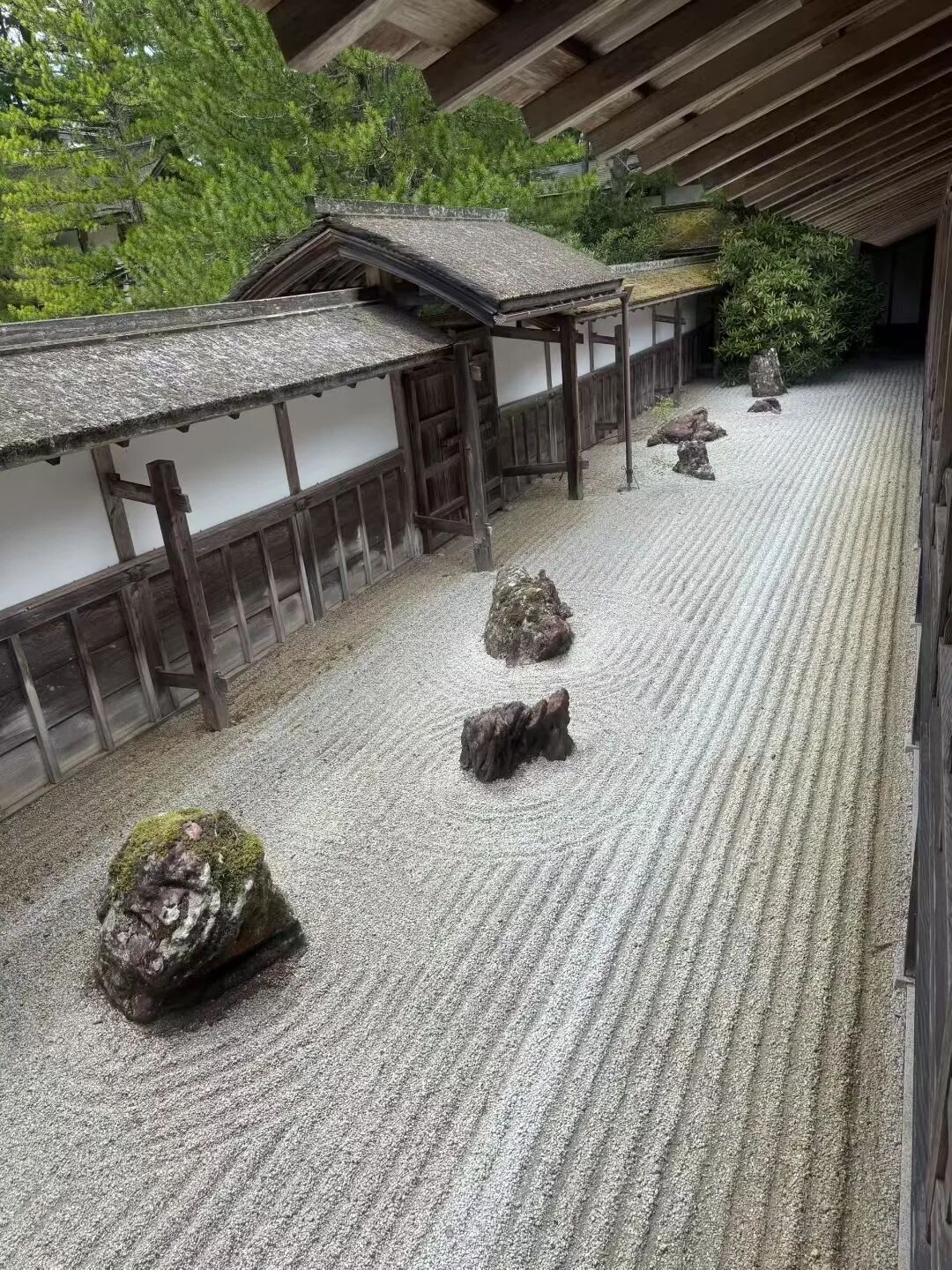
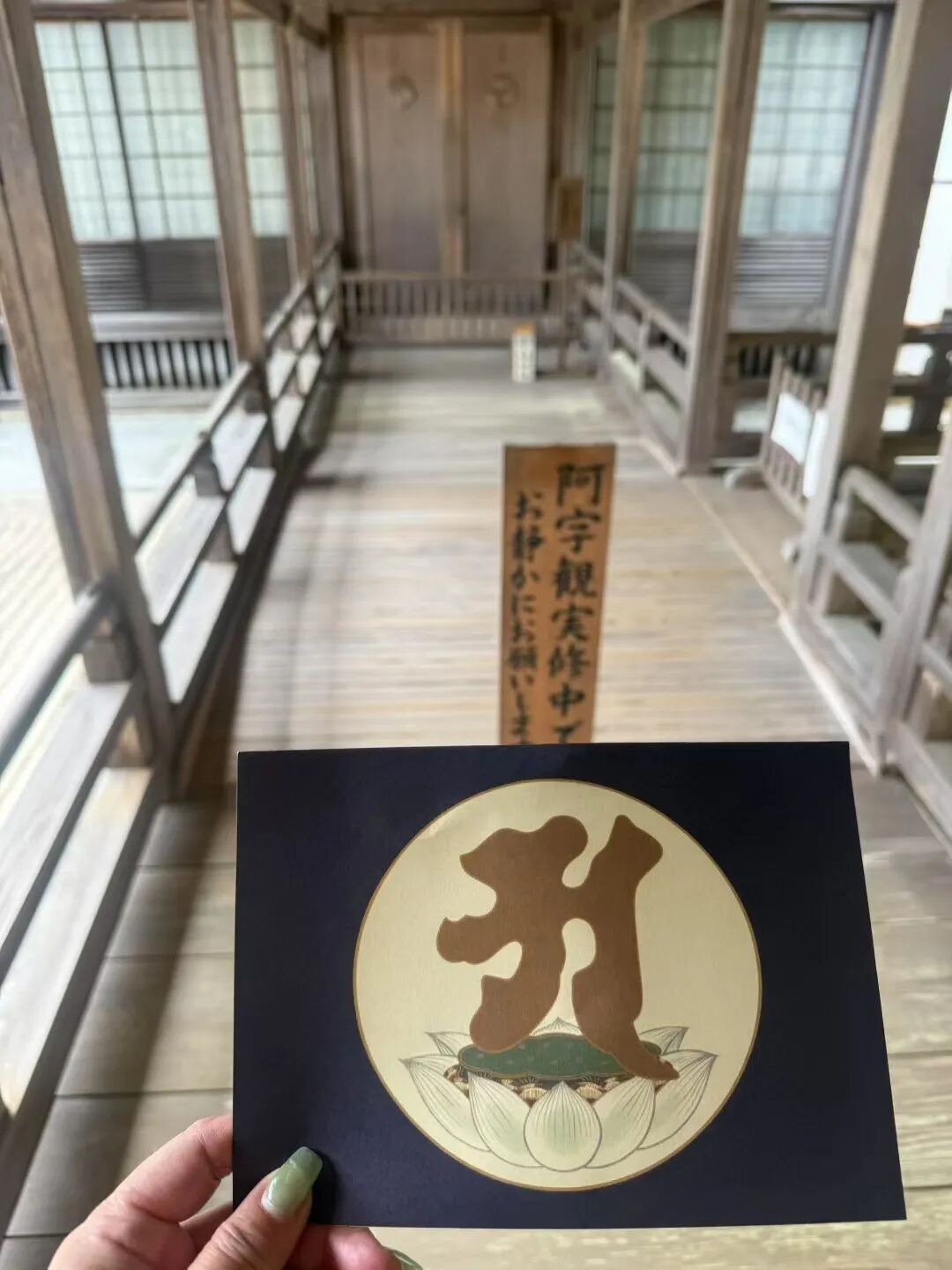
After about an hour, I had certainly not become enlightened, but I did feel comfortable. That was enough for a first encounter. I was there to experience a tradition respectfully, without pretending that a short session meant I understood its whole teaching.
I also spent time looking at temple accommodation. The distinction I was trying to understand was between a short cultural stay and the deeper practice I was curious about. A night with meals can be meaningful, but I wanted to know what kind of participation a particular place actually offered.
A route made from buses and my own two feet
I did not attempt the whole mountain route from Koyasan to Kumano. I chose parts of the Nakahechi and used public transport between places. My wish was to experience the landscape and sacred sites without turning the journey into a test of how much weight or distance I could manage.
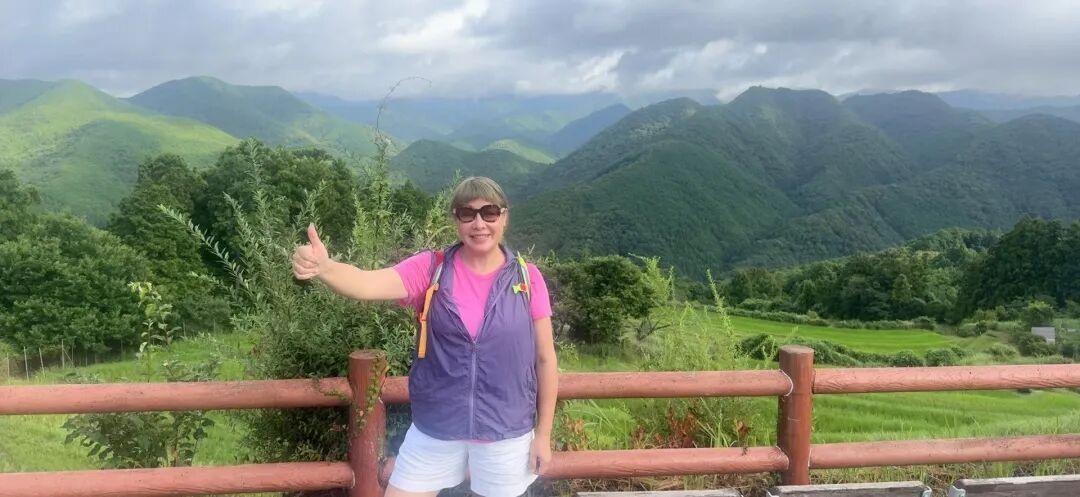
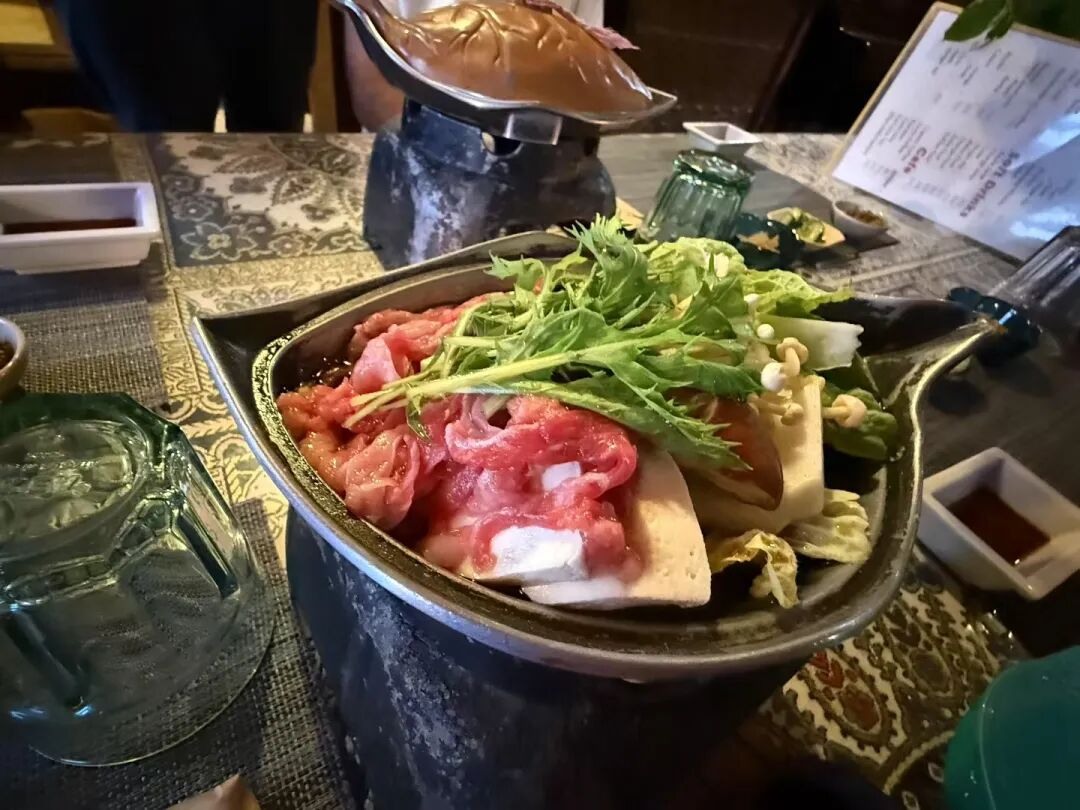
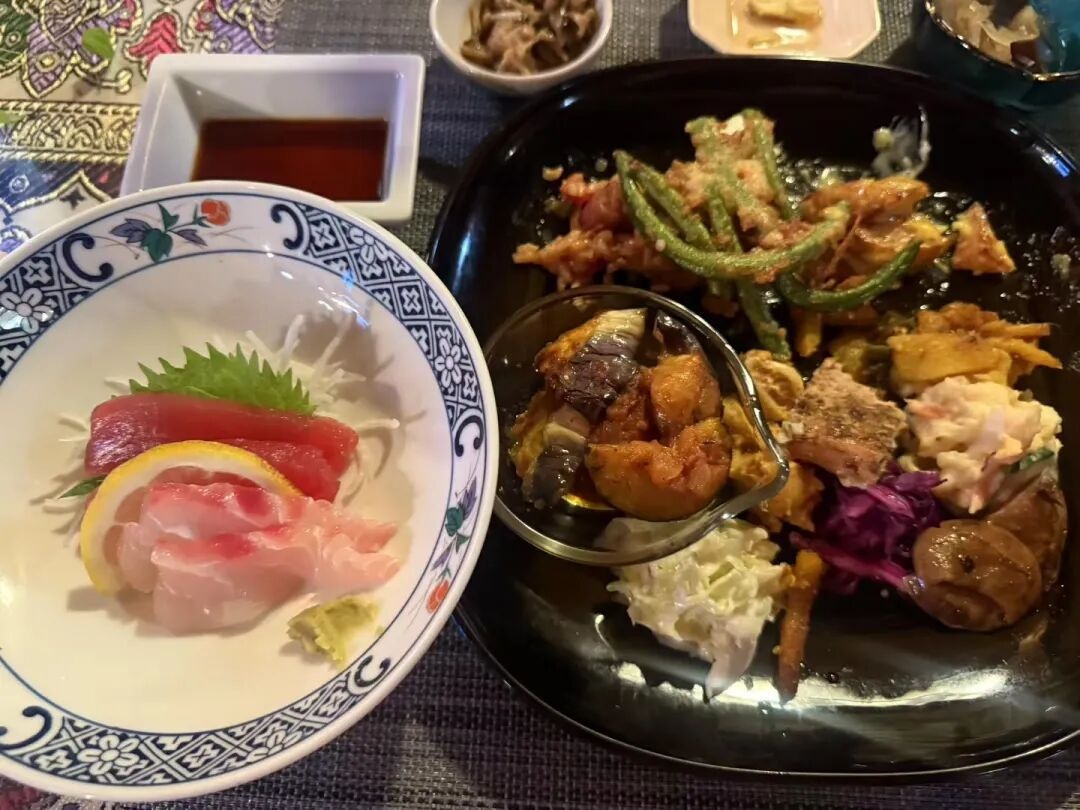
On the first day I walked from Takijiri-oji to Takahara with a group of Americans. We stayed at Takahara Lodge and shared the rhythm of arriving, eating and resting after the climb. The view across the hills became part of that first day’s reward.
Hot springs, a hostel and Longjing tea
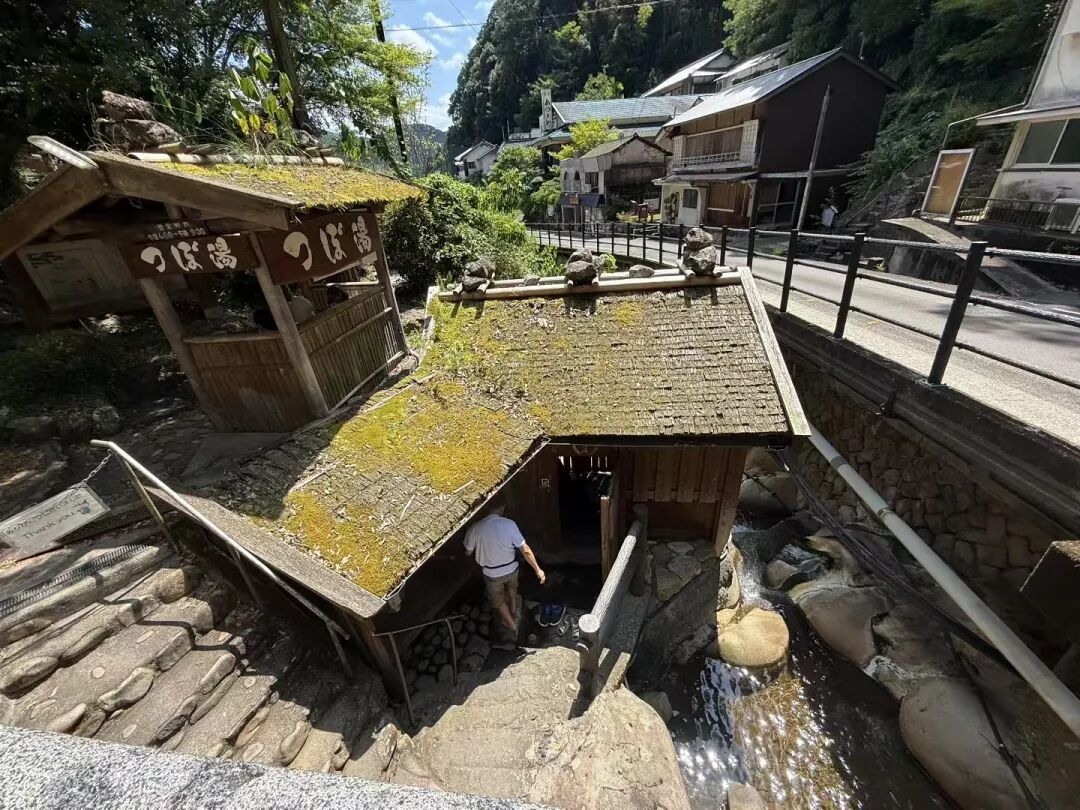
At Yunomine Onsen I met travellers with very different approaches to the same landscape. An Australian woman told us about a long day’s walk and a night in a hammock. Two French women and I listened, amazed.
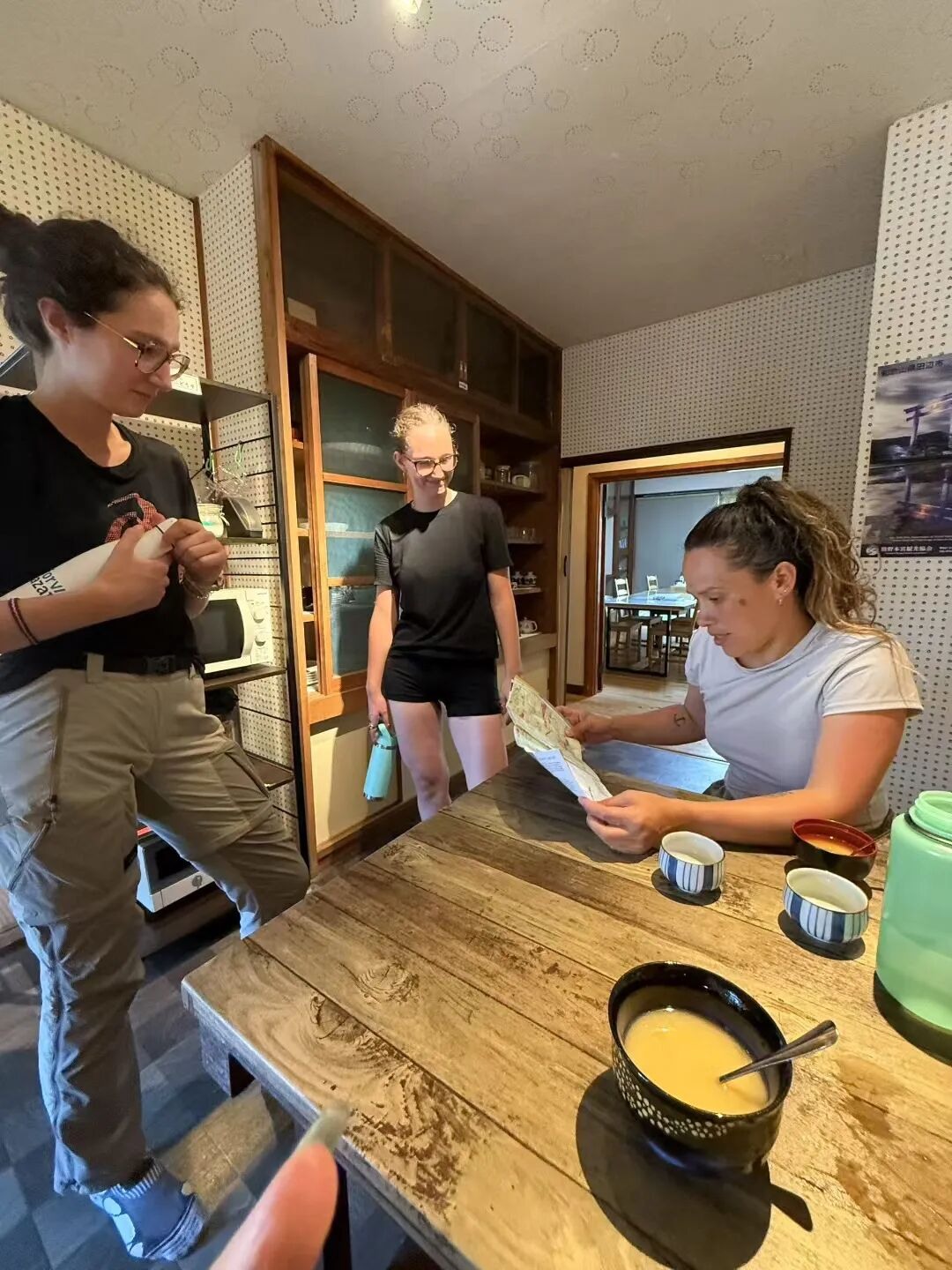
I shared miso I had bought in Japan and Longjing tea brought from Hangzhou. It was a small gesture, but those exchanges are often what I remember most clearly. A shared kitchen or table can open a conversation that would never happen on a sightseeing schedule.
I kept wondering how to live with curiosity, independence and courage, while also taking care of the practical side of life. Meeting people along the way made that question more interesting than comparing professions or equipment.
Forest paths and the great torii
On the walk from Yunomine towards Hongu, I was on my own among vines, light filtering through the trees, lizards, dragonflies and birds. I was learning what it felt like to keep walking, and how much I still had to learn about pace, water and carrying less.
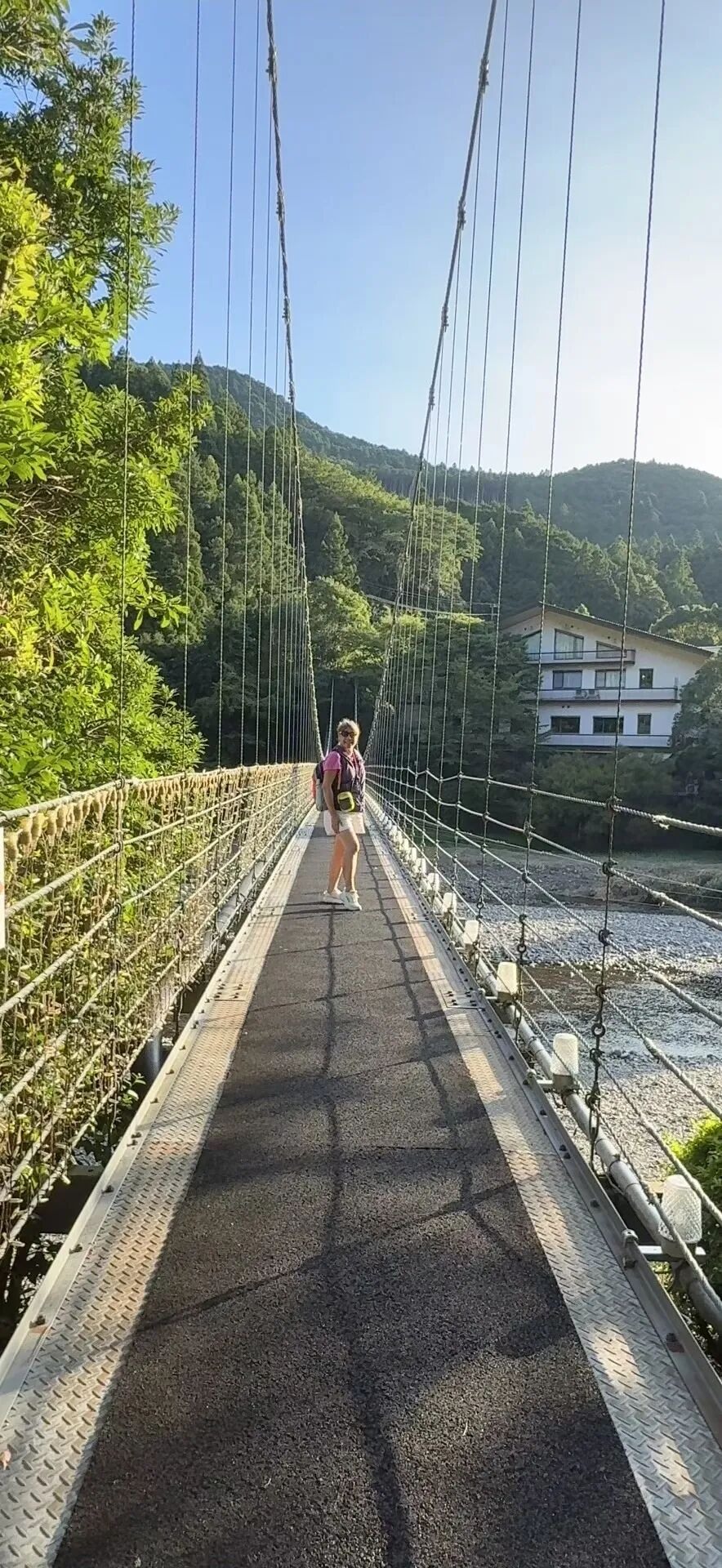
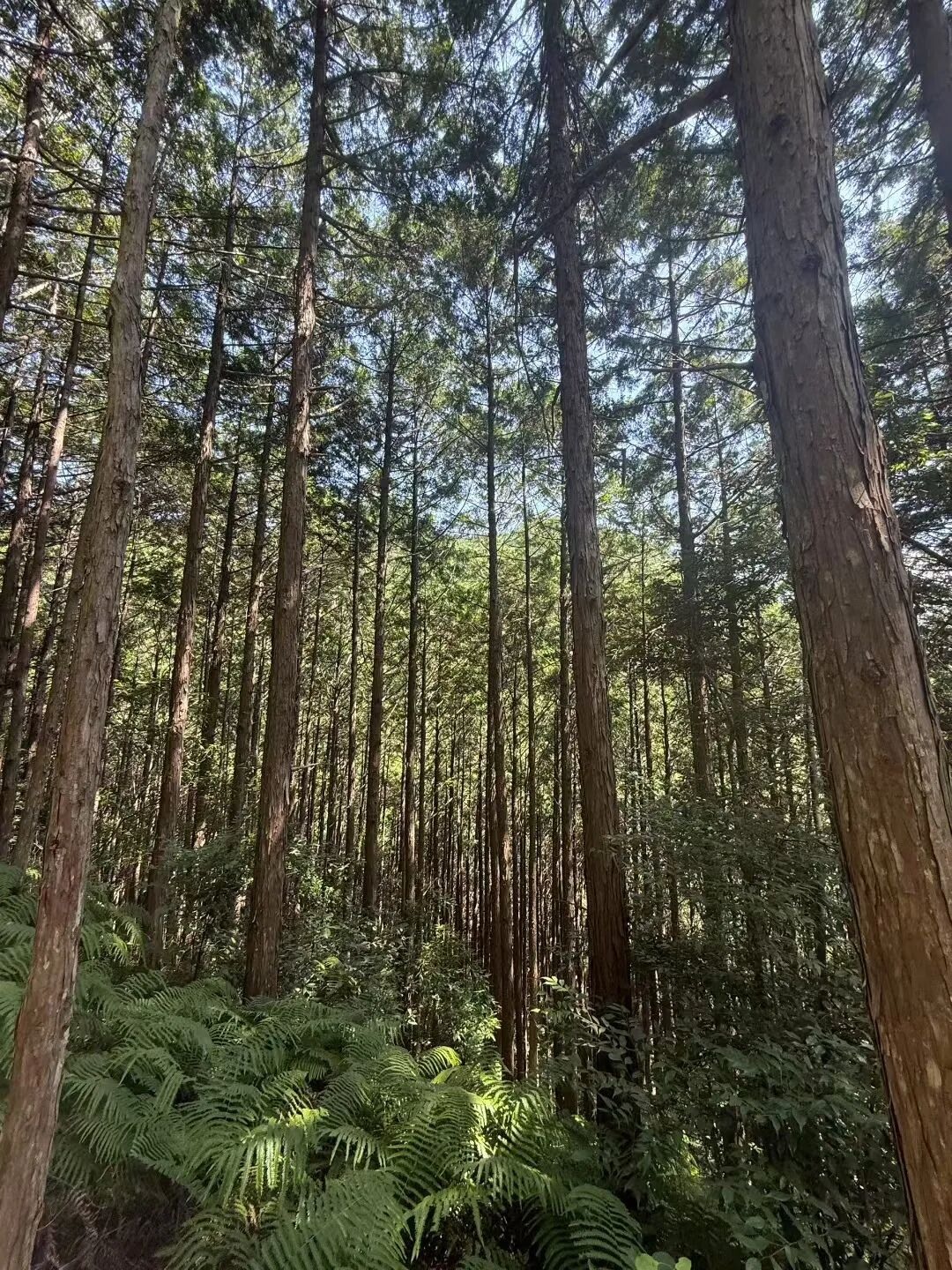
At Hongu, the shrines and the great torii at Oyunohara brought another scale to the journey. A gate can be a physical marker, but it can also ask you to notice that you are entering a place with a different meaning.
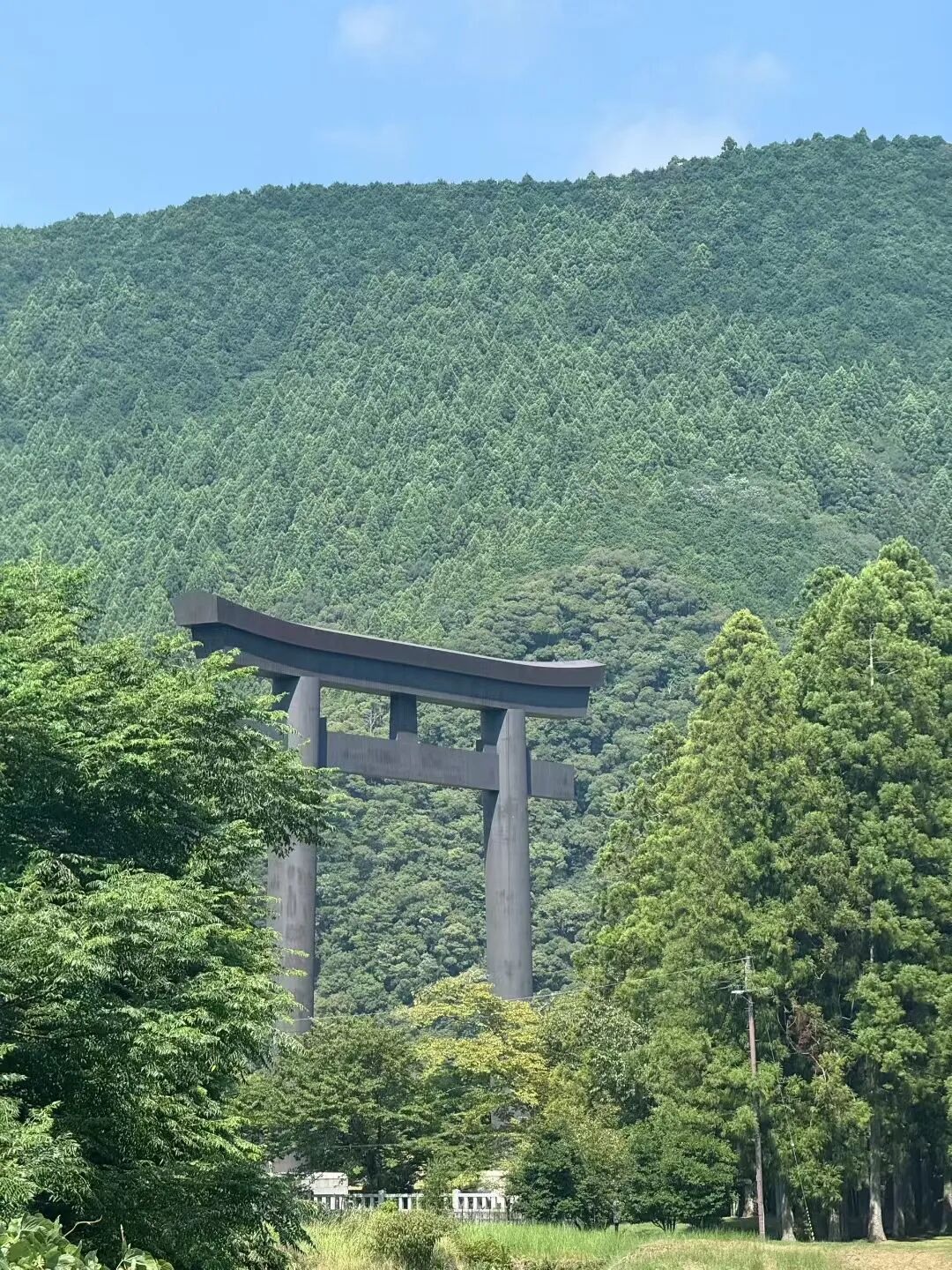
The river and an unexpected lesson at the shrine
I continued towards Shingu and Kumano Hayatama Taisha. On the Kumano River, the clear water, rocks, waterfalls and birds made the journey unusually quiet. There was just our boat of visitors; I could spend time looking at the banks.
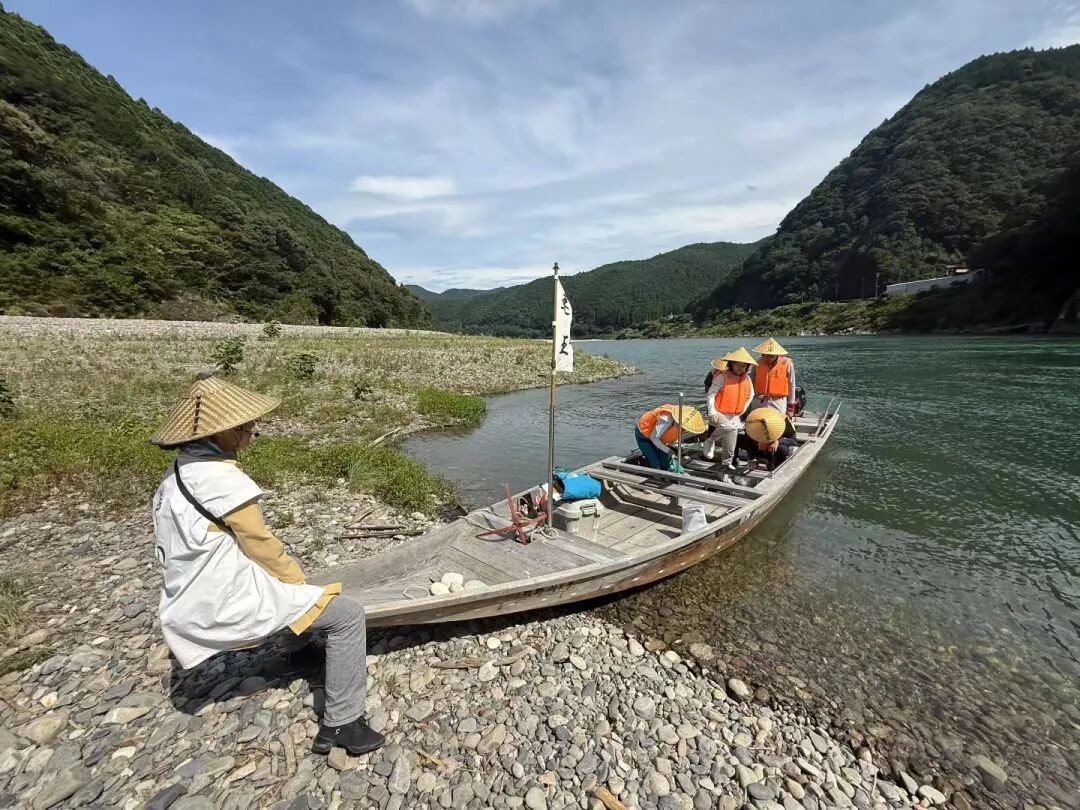
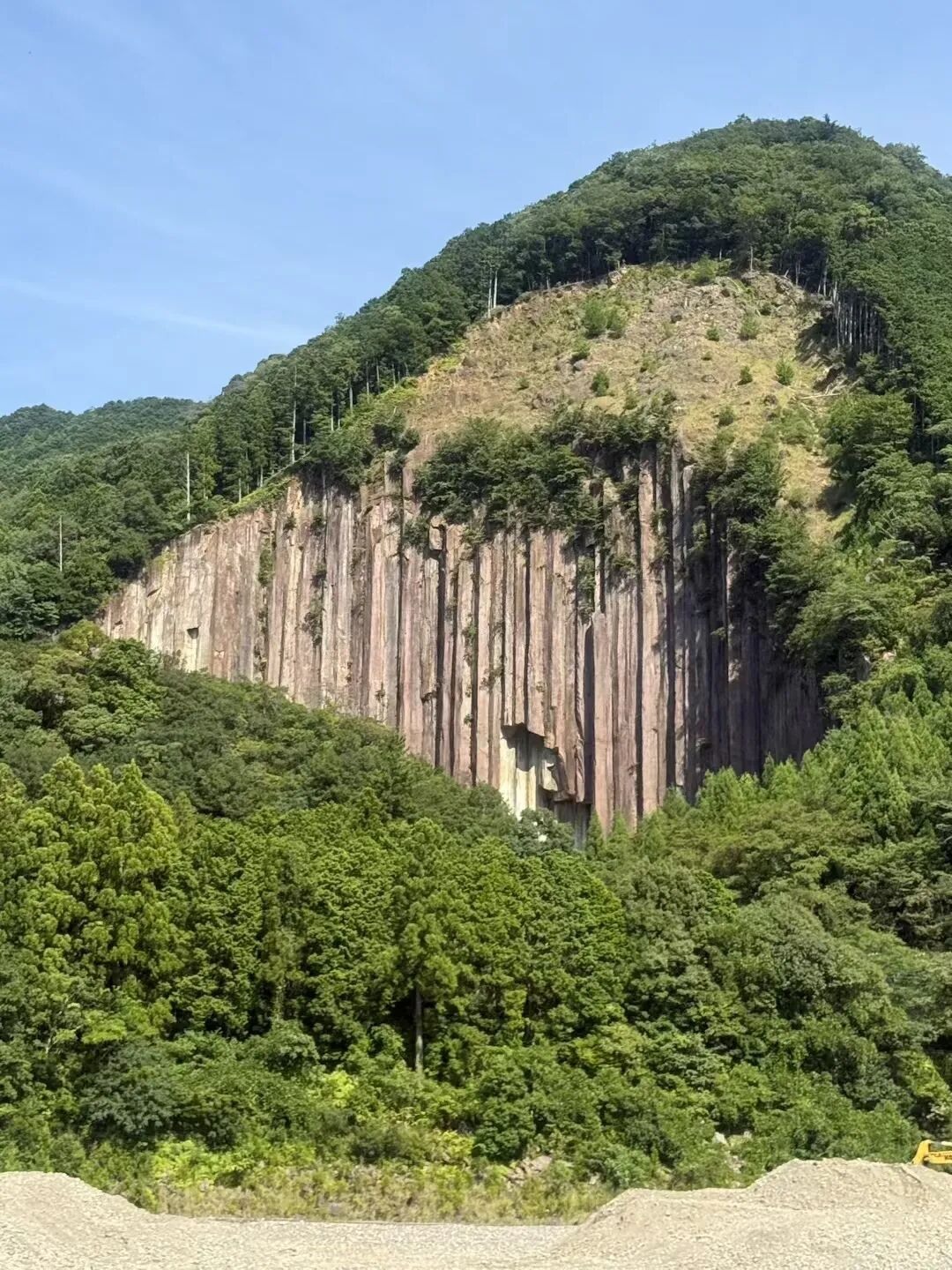
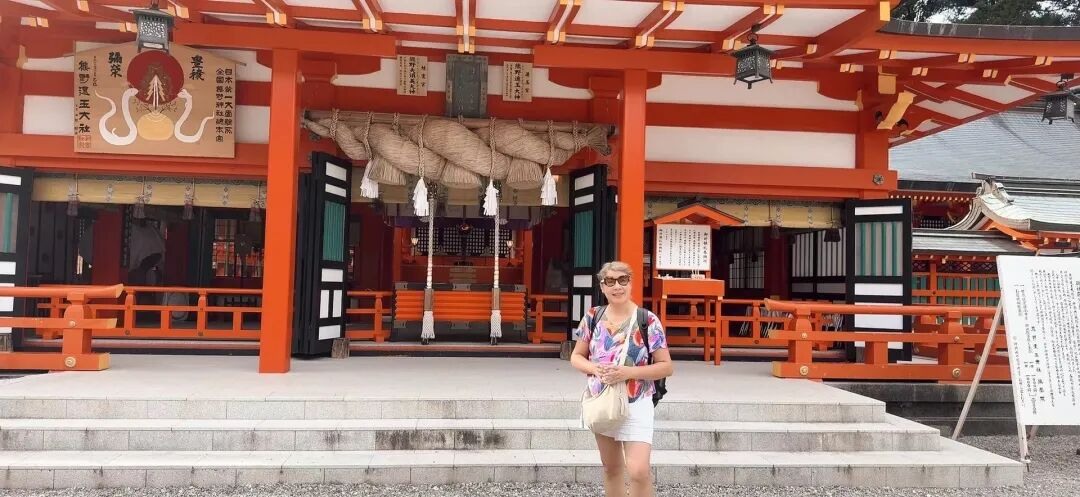
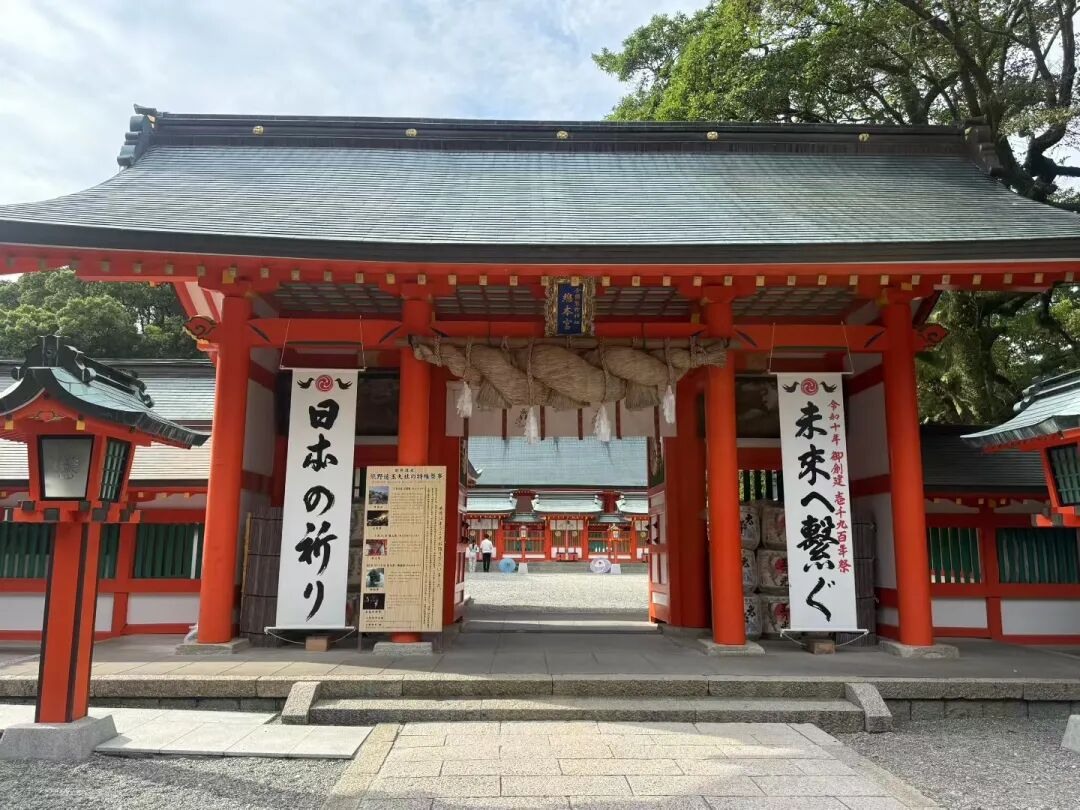
At the shrine, a Japanese man put in an offering for me and showed me how to pay my respects. Before leaving, he told me that my wishes would come true. I joked to myself that perhaps he was settling a debt from a previous life. What stayed with me was the unexpected kindness of someone I would probably never meet again.
Nachi: trees, steps and the sea beyond
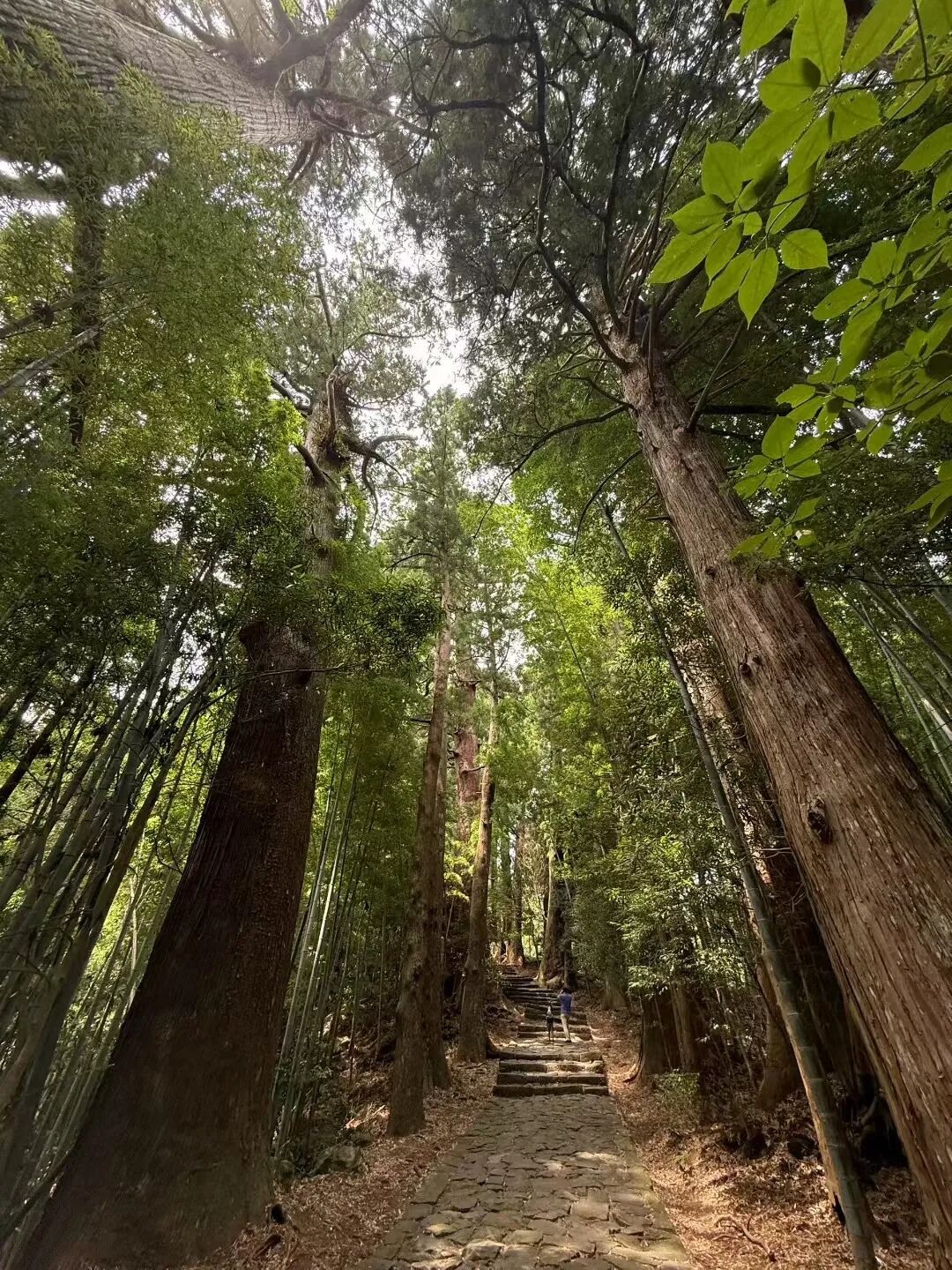
At Nachi, I walked the Daimon-zaka approach and visited Kumano Nachi Taisha. The tall trees and stone steps gave the approach a rhythm of its own. The view of the pagoda and waterfall was another part of that day’s memory.
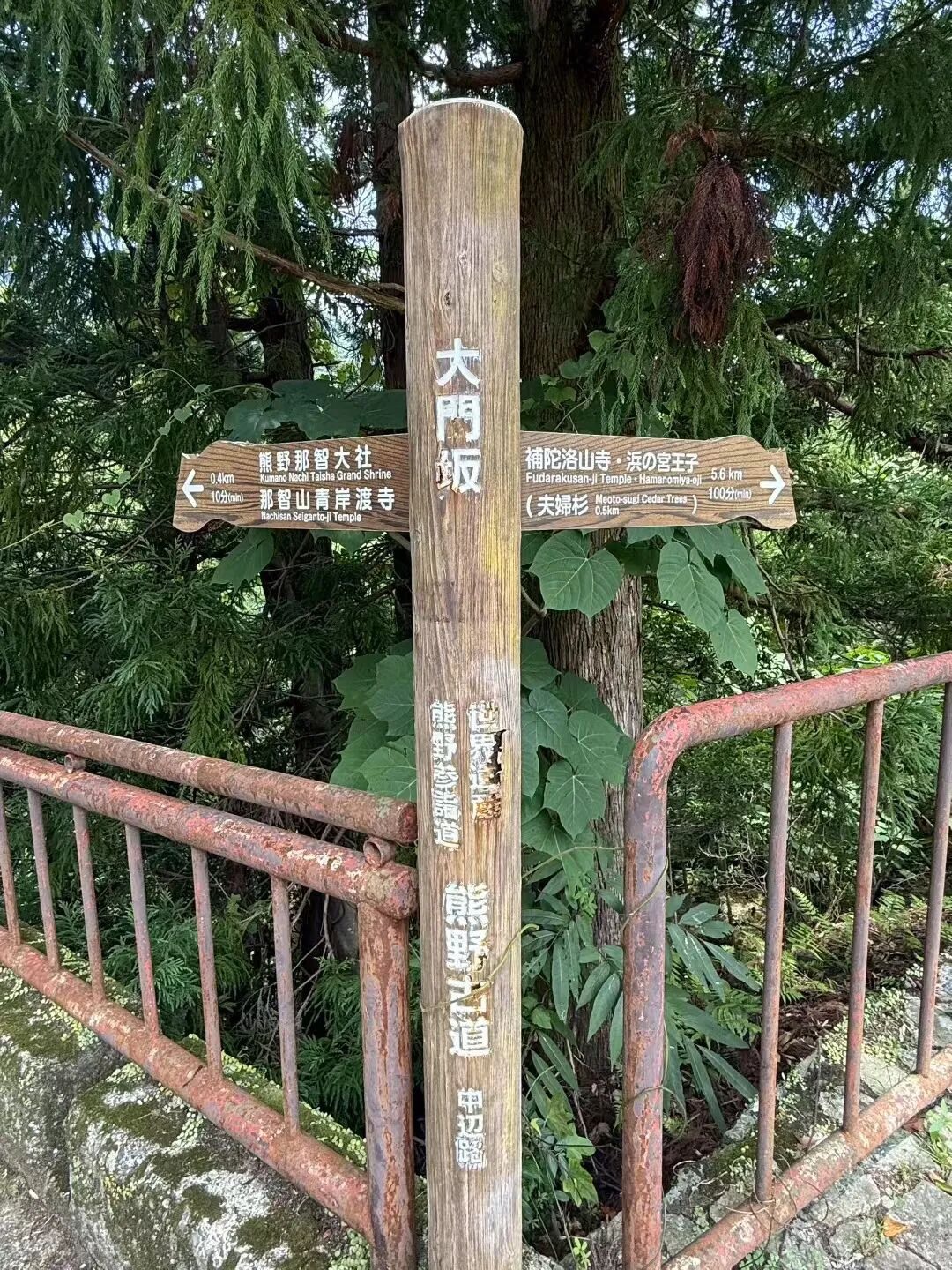
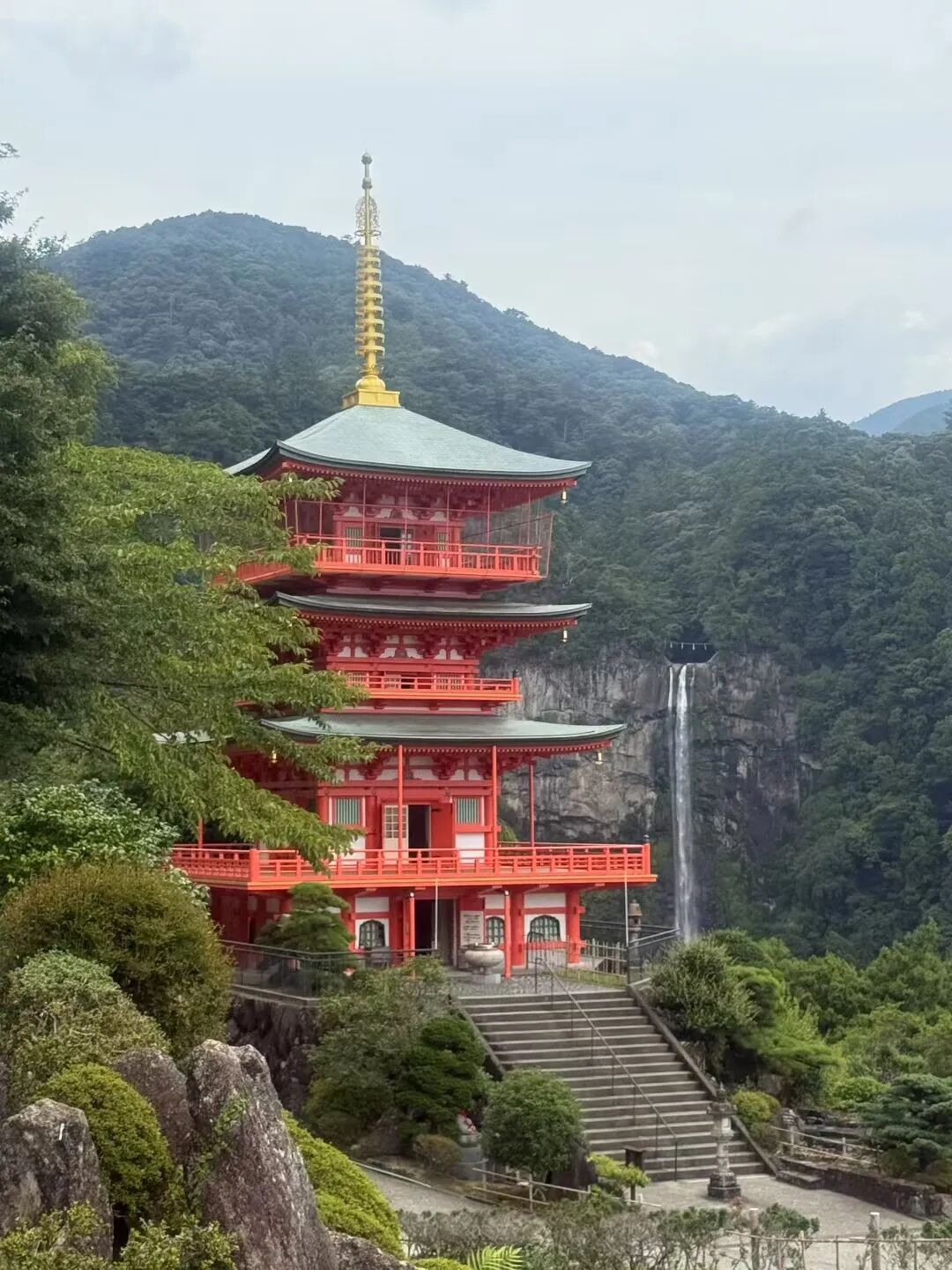
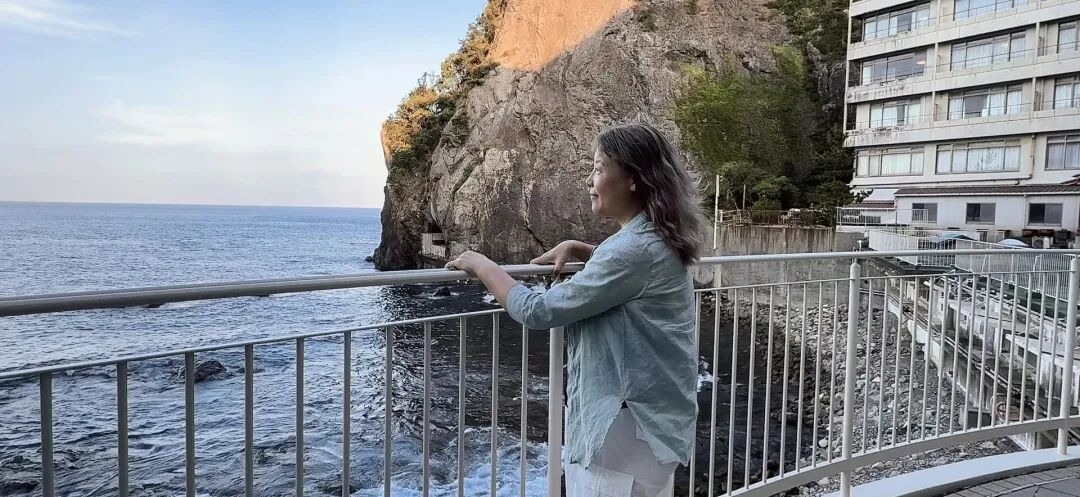
Around Katsuura, the coast and hot springs added another register. I liked being able to move between mountain paths and the sea. Walking was one part of experiencing the region, alongside bathing, eating and watching how its places fit together.
The last bus I did not catch
On the final day I returned to walk from Hosshinmon-oji to Hongu, to complete the Kumano-side requirements I had been working towards. It rained, and I managed to start in the wrong direction. Then I met another solo traveller with a downloaded map on his watch, and we hurried together.
We covered the seven-kilometre stretch faster than planned and still missed the last bus. A restaurant where I had eaten earlier helped arrange for its chef to drive me back to Shingu. I paid ¥10,000. That figure belongs to this particular experience; the more lasting memory is how determined I became to finish something, and what that determination cost.
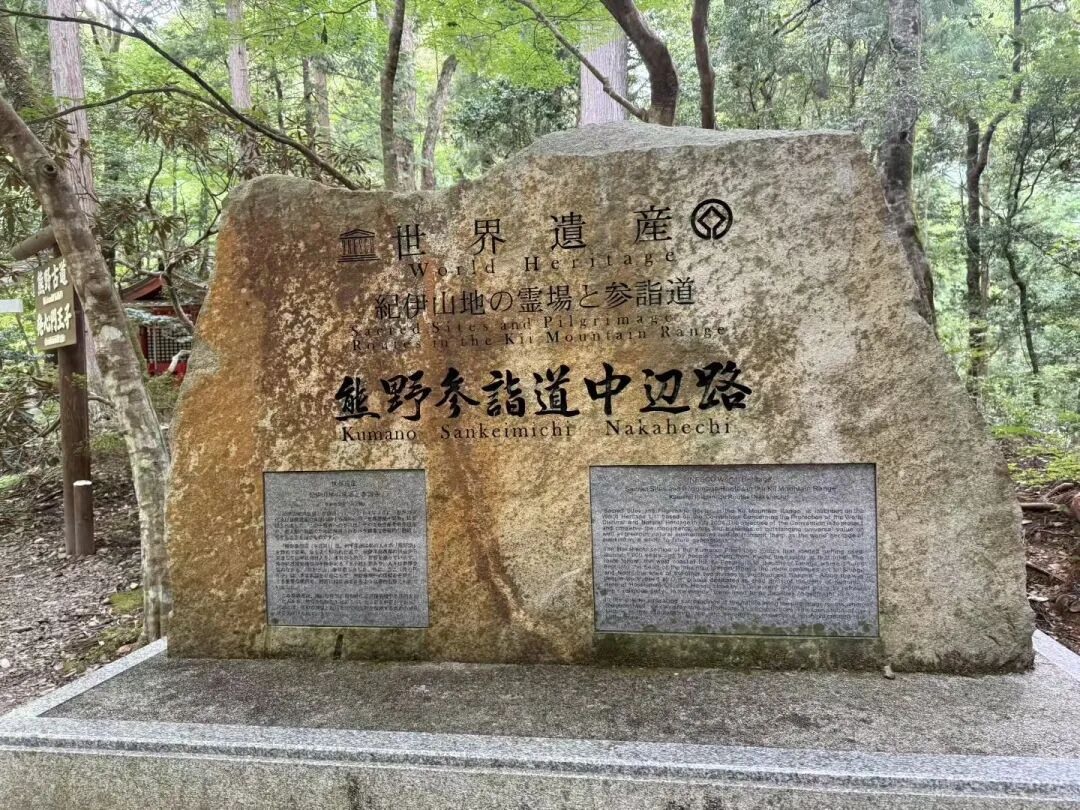
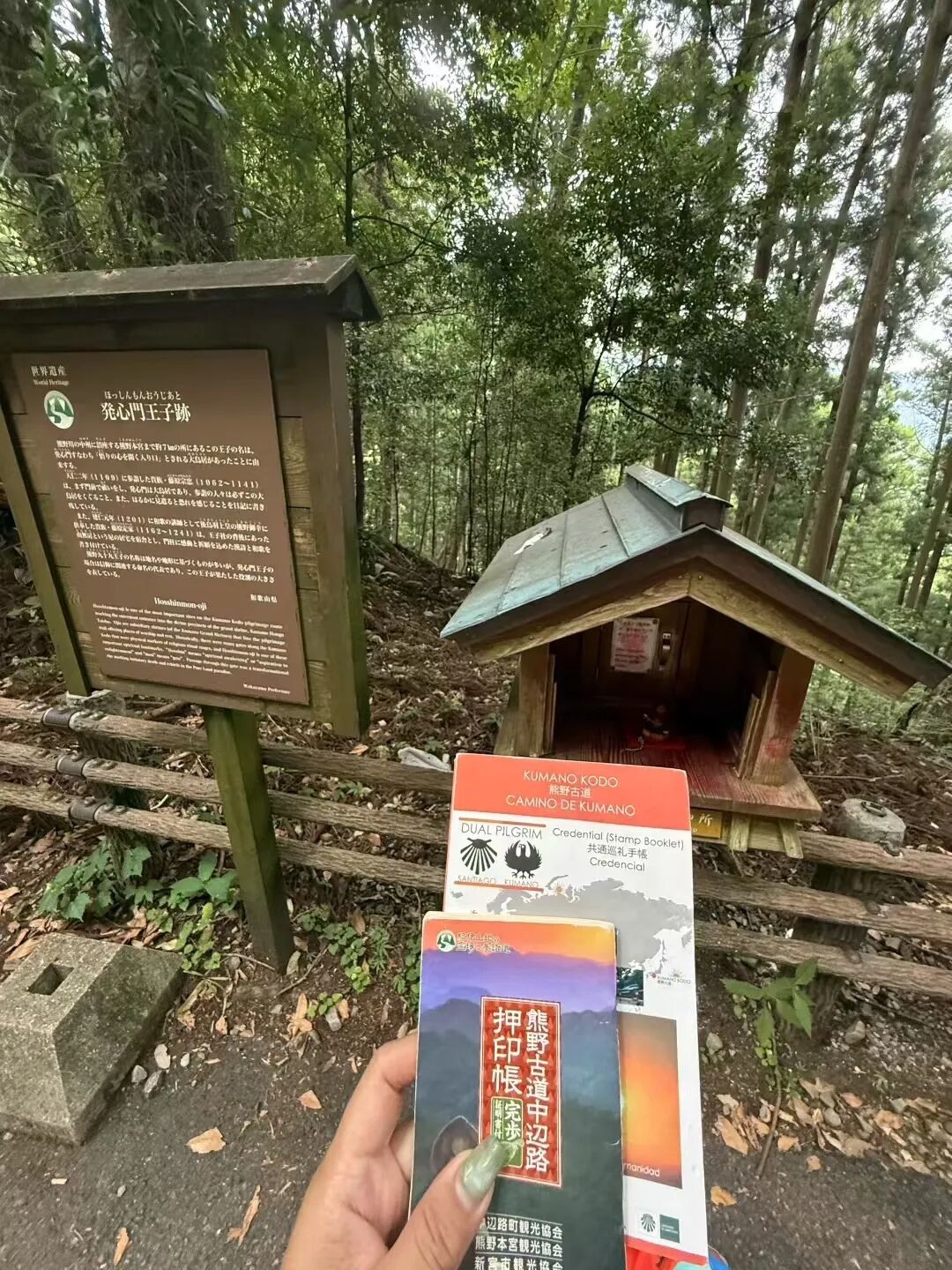
By then I had completed what I needed on the Kumano side. I had visited places on the Camino de Santiago before, but had not completed its qualifying journey. The Dual Pilgrim programme involves both networks, so this was a beginning to build on, not the completion of both pilgrimages.
Leaving at my own pace
Leaving for Osaka, I watched new travellers arriving at Tanabe station and the information centre. I felt encouraged. I had learned about equipment, the weight I wanted to carry, my own capacity and the pleasure of walking with people I had only just met.
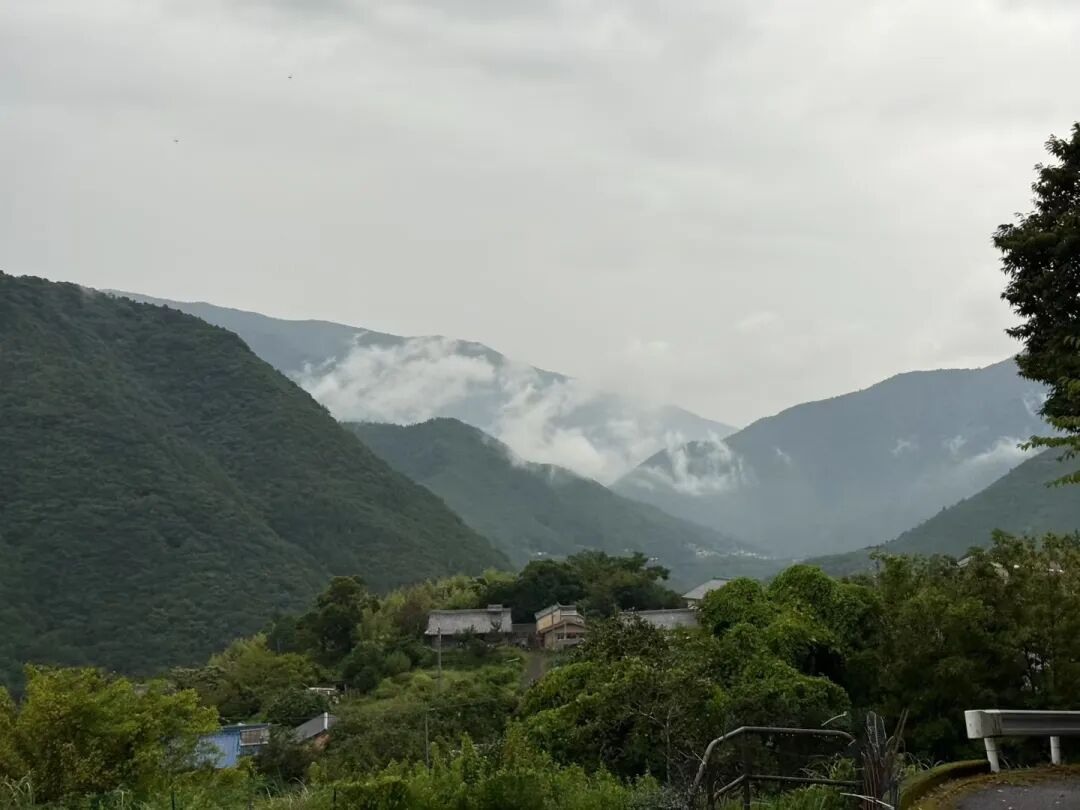

What I brought home was permission to choose a route that suited me. I could slow down, change a plan, ask for help and still have travelled meaningfully. The process mattered: a cup of tea shared, a shrine approached respectfully, a wrong turn, and the decision to keep learning.
Discuss an editorial collaboration ↗