In July 2021, I finally secured a visit to Vabali SPA in Berlin. I knew about Germany’s tradition of nude sauna bathing. Before going, I told myself that it was simply a cultural practice: everyone would be natural about it, so there was no reason to feel nervous.
Knowing that was one thing. Walking in and seeing men and women of different ages sitting comfortably together was another. Almost without thinking, I wrapped my towel a little more tightly around me.
Other people had come to relax. I seemed to have arrived with a secret assignment: look entirely at ease while keeping that towel firmly in place. It had become my last psychological line of defence.
When mixed-gender sauna culture becomes real
When people hear about a German spa, they often ask whether men and women really share the sauna, whether people wear anything, and whether it feels awkward. On that visit, those questions stopped being abstract for me.
The German term Freikörperkultur, often shortened to FKK, refers to a culture of the free body. What challenged me was not learning the word, but placing myself inside an unfamiliar way of relating to the body. Understanding a practice and participating in it are quite different experiences.
I kept my towel around me as I moved through the shared areas and into the sauna. At first, I hardly knew where to look.
After a while, I noticed how little attention anyone seemed to be paying me. In the moments I observed, people were not busy comparing appearances or judging who looked younger. They were sitting quietly, sweating, breathing and resting.
The embarrassment that occupied so much space in my own mind did not seem to exist in the same way for them. I began to wonder whether my discomfort came from the body itself or from the ways I had learned to look at it.
I was used to scrutinising my body: not slim enough, not young enough, not quite right. In that room, a body could simply be what carries a person through life, movement, ageing and the experience of the world.
An unexpected feeling of Bali in Berlin
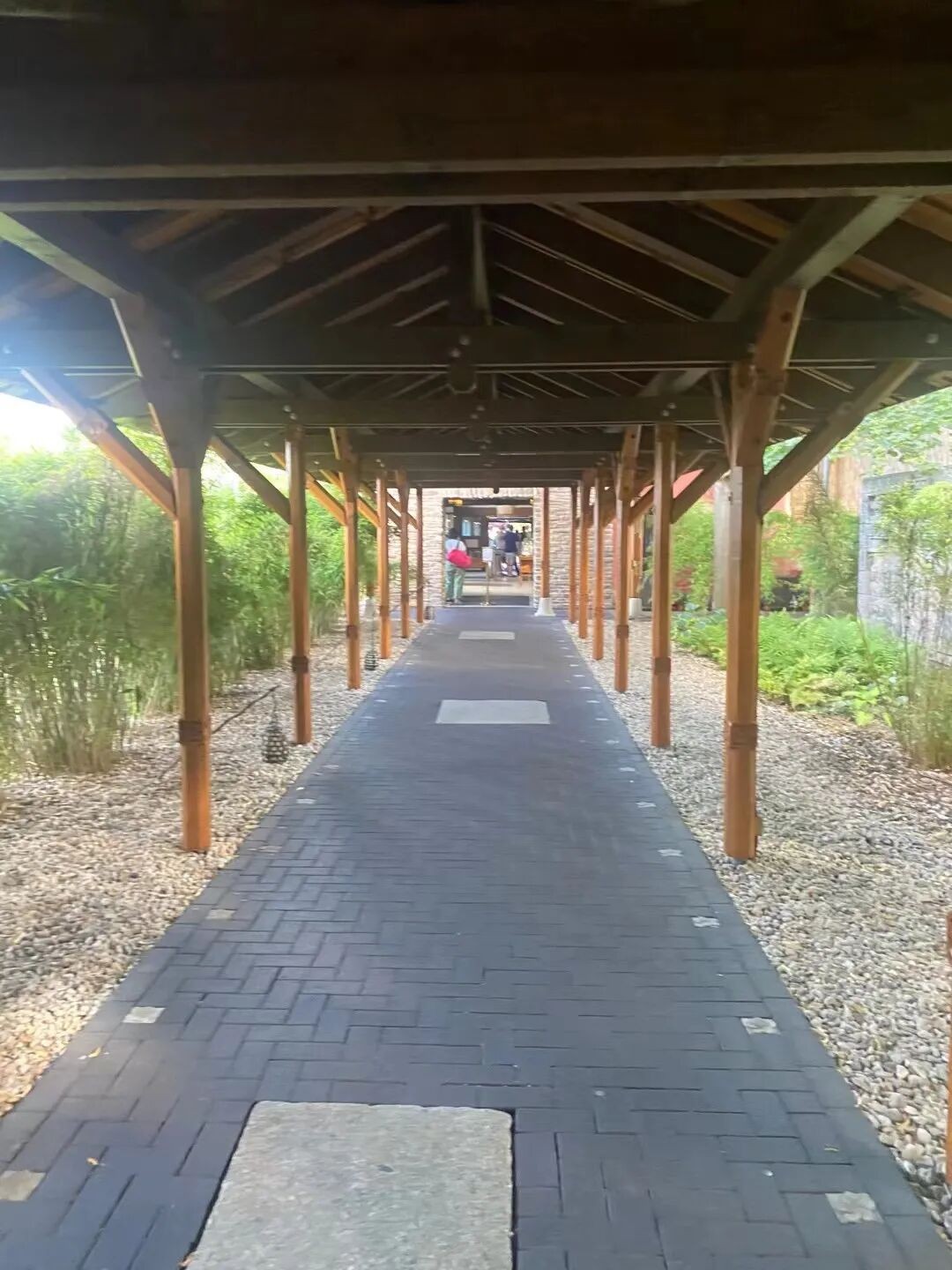
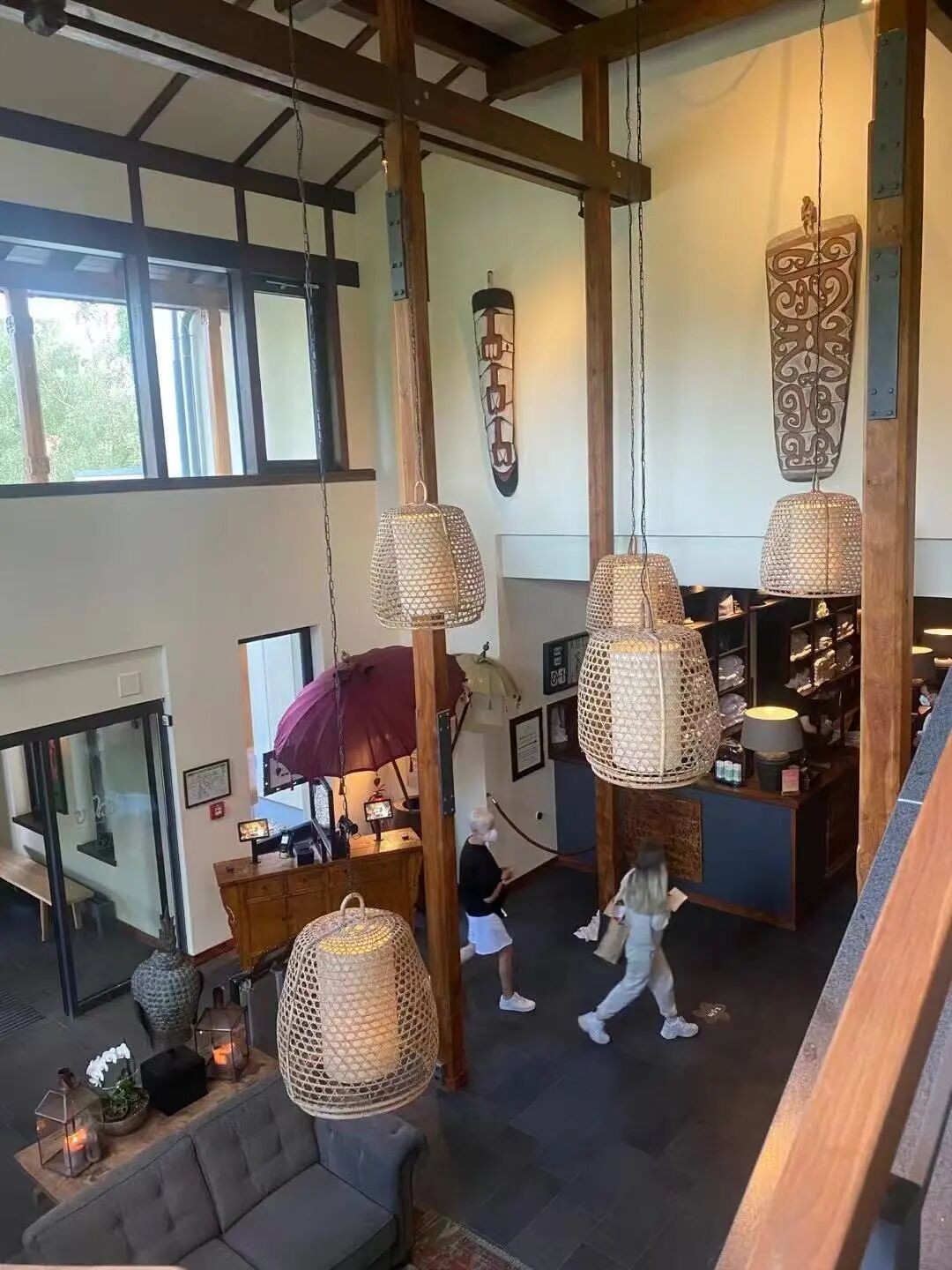
If the sauna culture unsettled me, the setting surprised me in a different way. On first entering, I wondered whether I had somehow stepped out of Berlin and into Bali.
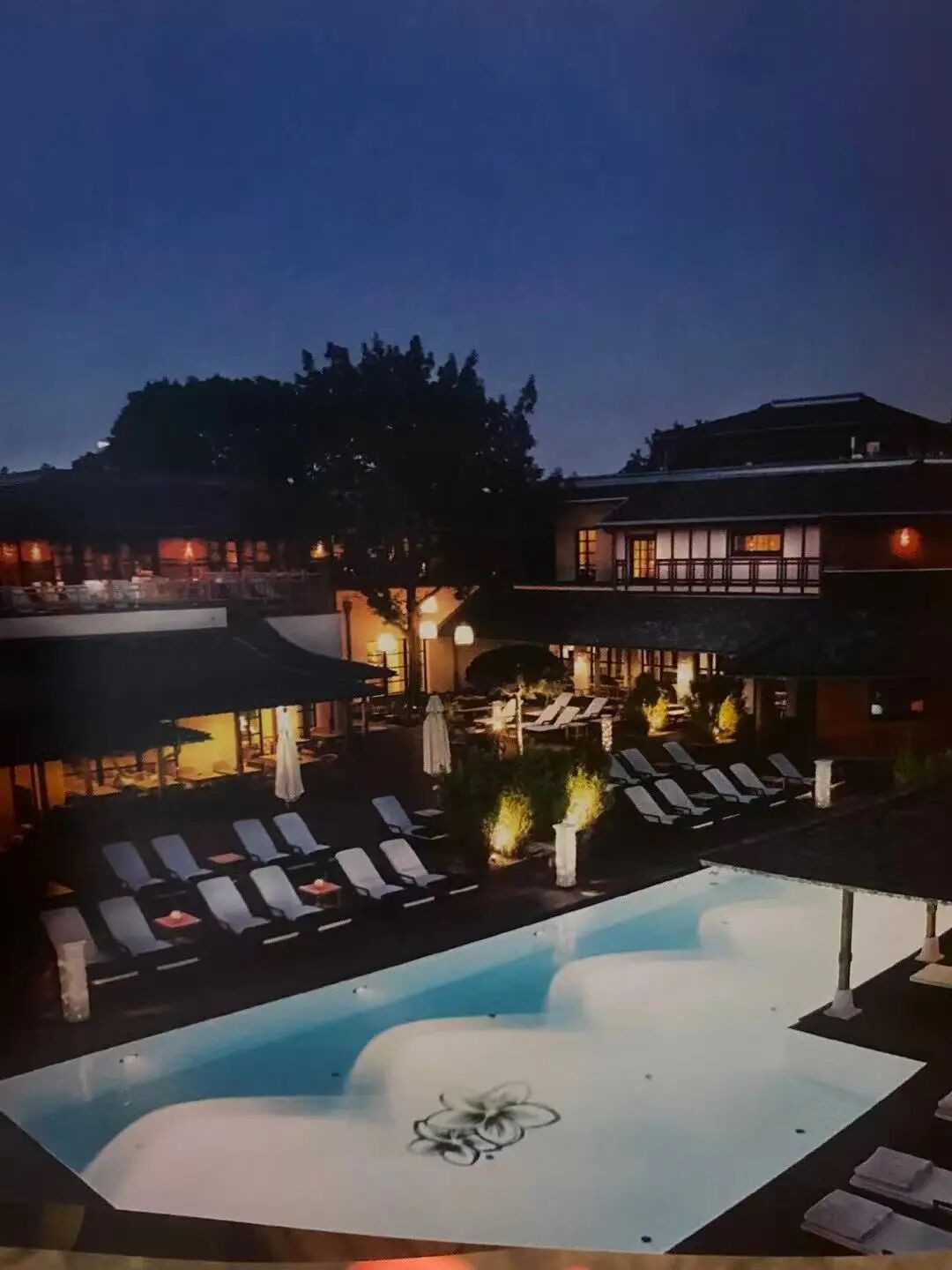
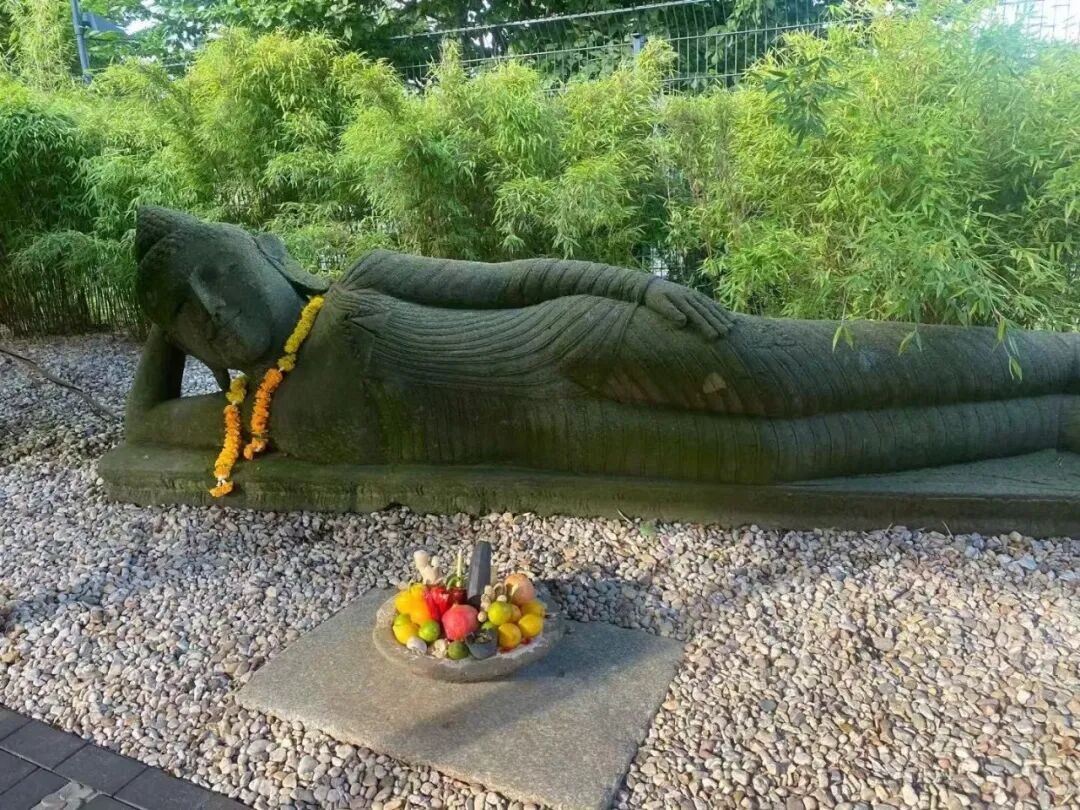
Bamboo, paths, water, timber buildings, a Buddha figure and quiet courtyards sat within this European city. The combination brought together a Southeast Asian resort atmosphere, modern European design and details that reminded me of contemporary Chinese interiors.
I remember the use of bamboo and wood, indoor and outdoor pools, different sauna rooms, massage spaces, a restaurant and many places to sit or lie down. There was a lot to explore, without the arrangement feeling chaotic to me.
On that visit, I could spend time in a sauna, swim, arrange a massage, linger over a meal or simply find somewhere to lie down and do nothing.
It felt like a garden designed around giving the body time to rest. With my hospitality background, I was especially interested in that arrangement: how does a place encourage someone to slow down, and what makes them want to stay?
Scent, temperature and touch
I particularly liked the meditation sauna. Sitting in heat and quiet, I began to sweat and found that the noise in my mind softened. For a little while, plans and worries seemed less insistent.
I remember body scrubs outside one of the larger sauna rooms: orange, mint, chocolate. Faced with those choices, I could hardly restrict myself to one. I wanted to try them all.
The freshness of orange, the coolness of mint and the sweet smell of chocolate joined the heat, steam, water and sensation of skin. I became aware of senses I often give too little attention to in everyday life.
The experience felt carefully composed. Temperature, scent, touch, light, food and places to rest worked together to help me slow down. That is how I experienced it personally.
For someone living in a city, having time to notice those things again felt precious.
A different kind of ease
After leaving Vabali, what I remembered was more than my nervousness about a shared nude sauna. I remembered the unhurried bodies around me, and the way age, shape and appearance seemed, for a while, to matter less.
We can treat the body as a project that needs constant revision: slimmer, younger, firmer, closer to a standard. Yet it also accompanies us through travel, work, love, ageing, illness, tiredness and recovery.
The question I carried away was personal: when might I look at myself with less scrutiny, worry less about someone else’s gaze, and feel more at ease in my own body?
A wider map of bathing cultures
Germany is one chapter in my experience of bathing and body cultures. I have also floated in the salt water of the Dead Sea, visited Iceland’s blue mineral waters and felt the heat of New Zealand’s volcanic springs.
In Bali I remember the scents of chocolate and coconut; in India, experiences of Ayurvedic herbal traditions; in Japan, bathing as a way of organising time and ritual. Turkey, Morocco and Tunisia each offered encounters with public bathing traditions of their own.
I want to return to these experiences in my writing. The way a place makes room for rest and treats the body gives me another way to understand everyday life. Travel takes me elsewhere, and sometimes helps me look at myself differently.
Discuss an editorial collaboration ↗