In September 2025, I went to Bangladesh. At the time, it was the 95th country I had visited. When I returned, I wrote about Dhaka’s traffic, street food and local clothes. That first account was honest, but hurried.
A year later, looking through the photographs, I realised how much remained unwritten. Women in bright saris, strangers who offered to pay my fare, young people looking for IELTS books, and faces on boats, in markets and outside mosques: these were the memories that had stayed.
Dhaka: tiring, absorbing and full of contrasts
I drank coffee in Gulshan and walked through old neighbourhoods so crowded that it was difficult to find room to stand. A café visit and a handful of street snacks belonged to very different economies. Sometimes the distance between those worlds seemed to be no more than a doorway. I kept encountering that contrast in hotels, book markets, ferries and bazaars.
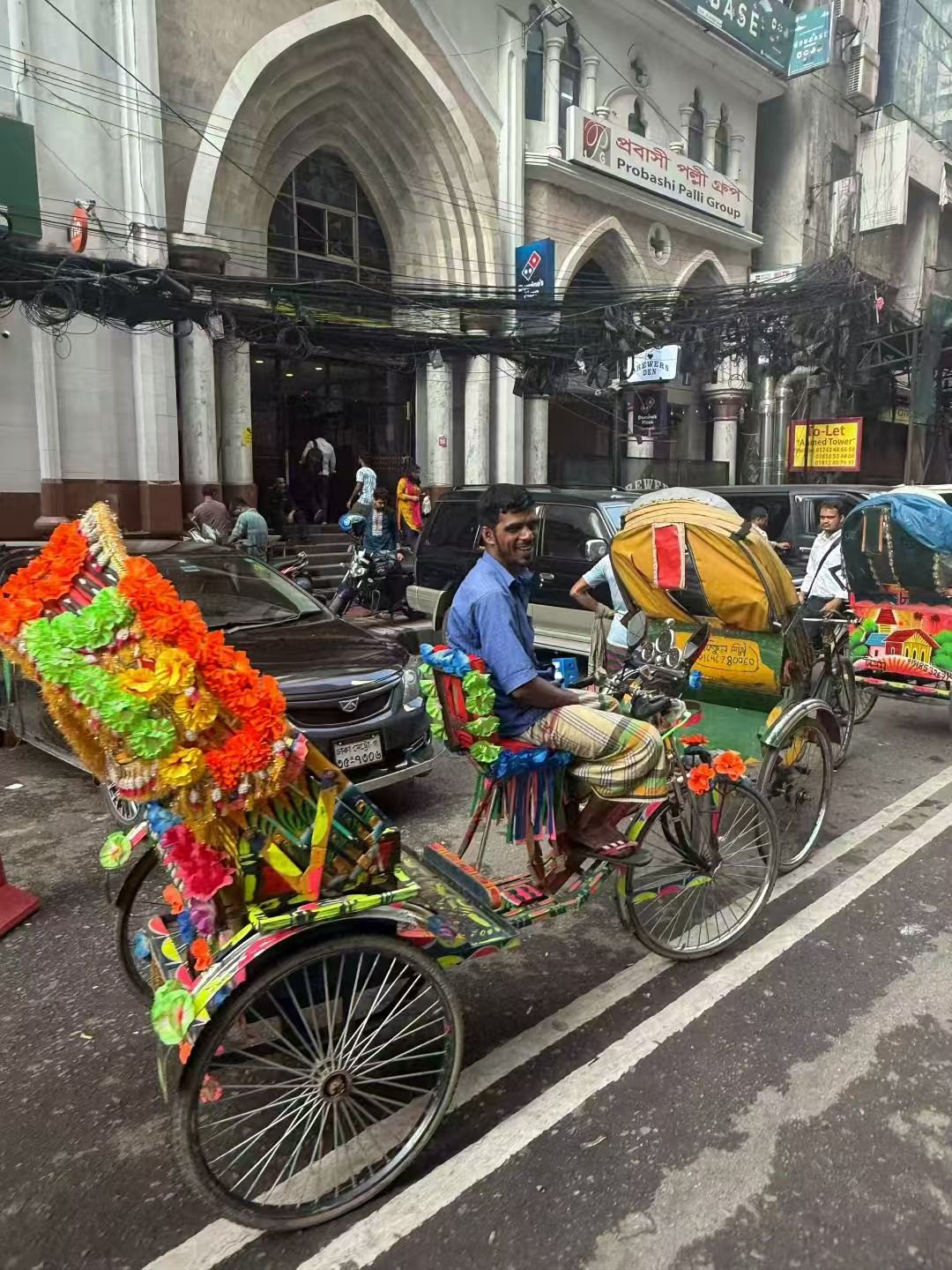
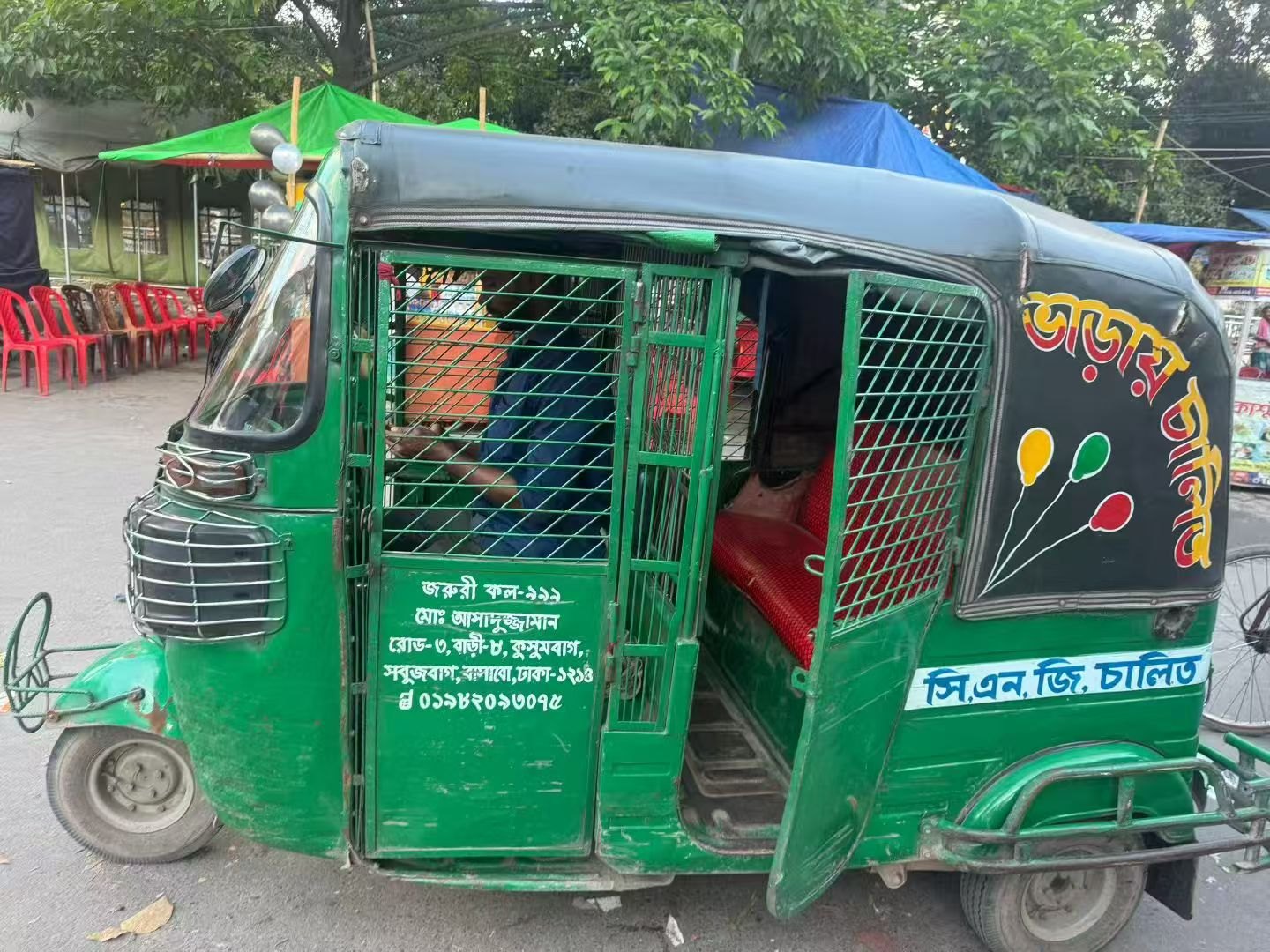
Leaving the airport, I saw taxis, auto-rickshaws, cycle rickshaws, motorbikes and buses competing for space. My first local bus ride cost 50 taka. The bus was old, and I could not make sense of the route or where to get on and off without someone helping me. I also remember the small peanuts sold on board: their smell is still part of that journey.
Over the trip I tried cycle rickshaws, CNG auto-rickshaws and buses. A motorbike booked through Uber sometimes got me through the congestion more easily, although speed did not make the roads feel safe. Painted rickshaws, workers hauling goods, and people selling flowers and fruit kept drawing my attention away from the traffic itself.
Street flavours, and an unexpected KFC memory
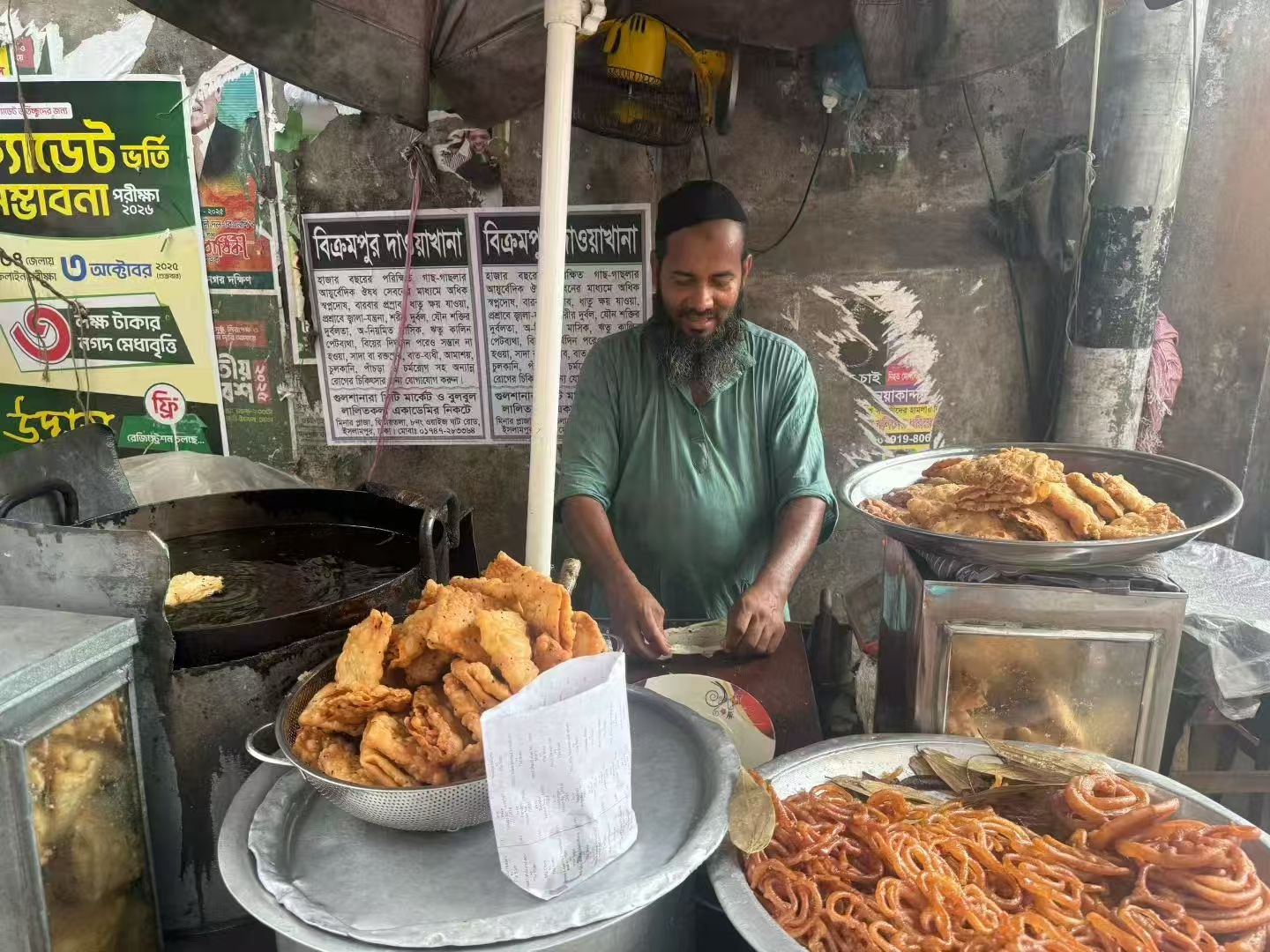
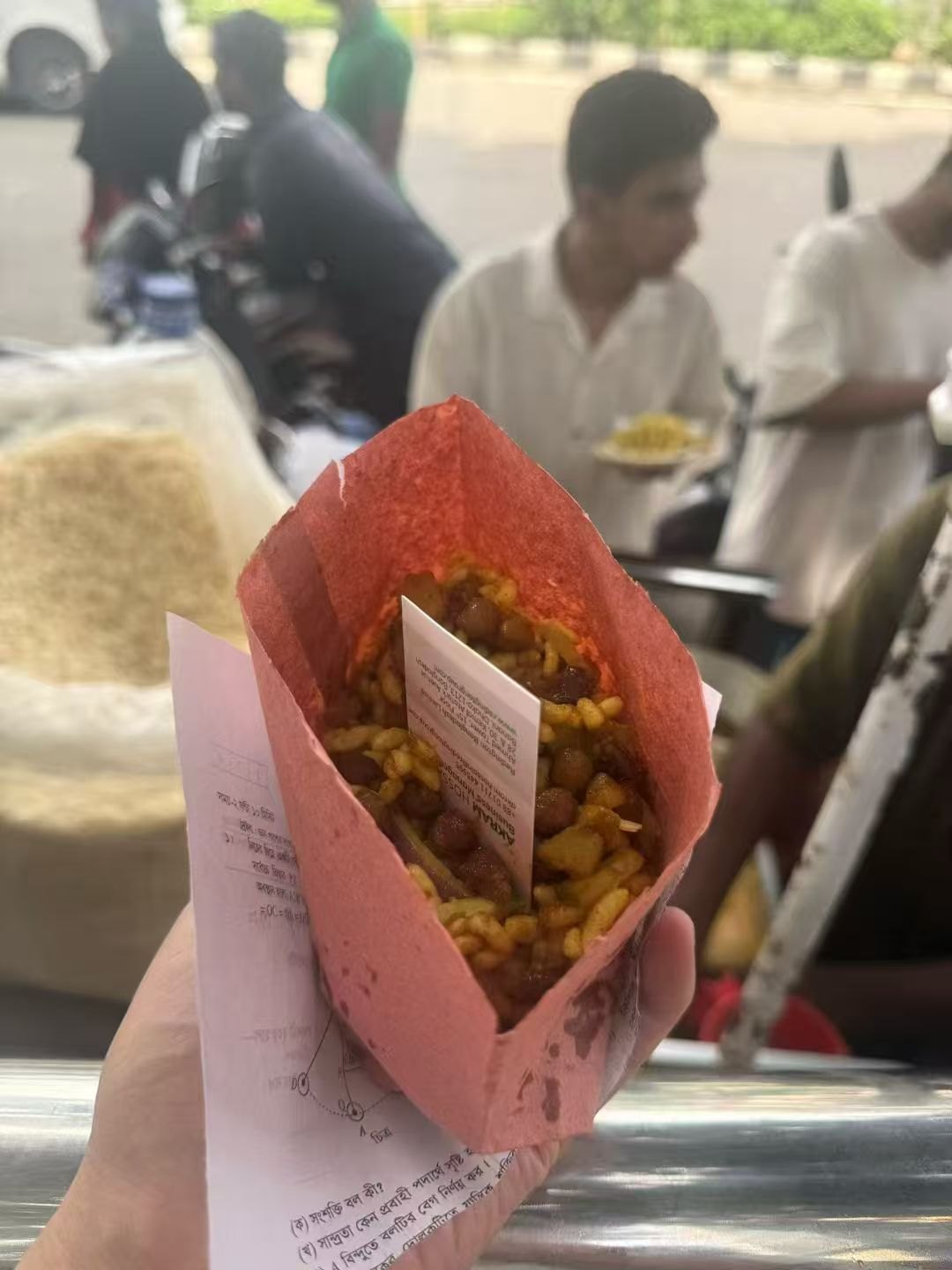
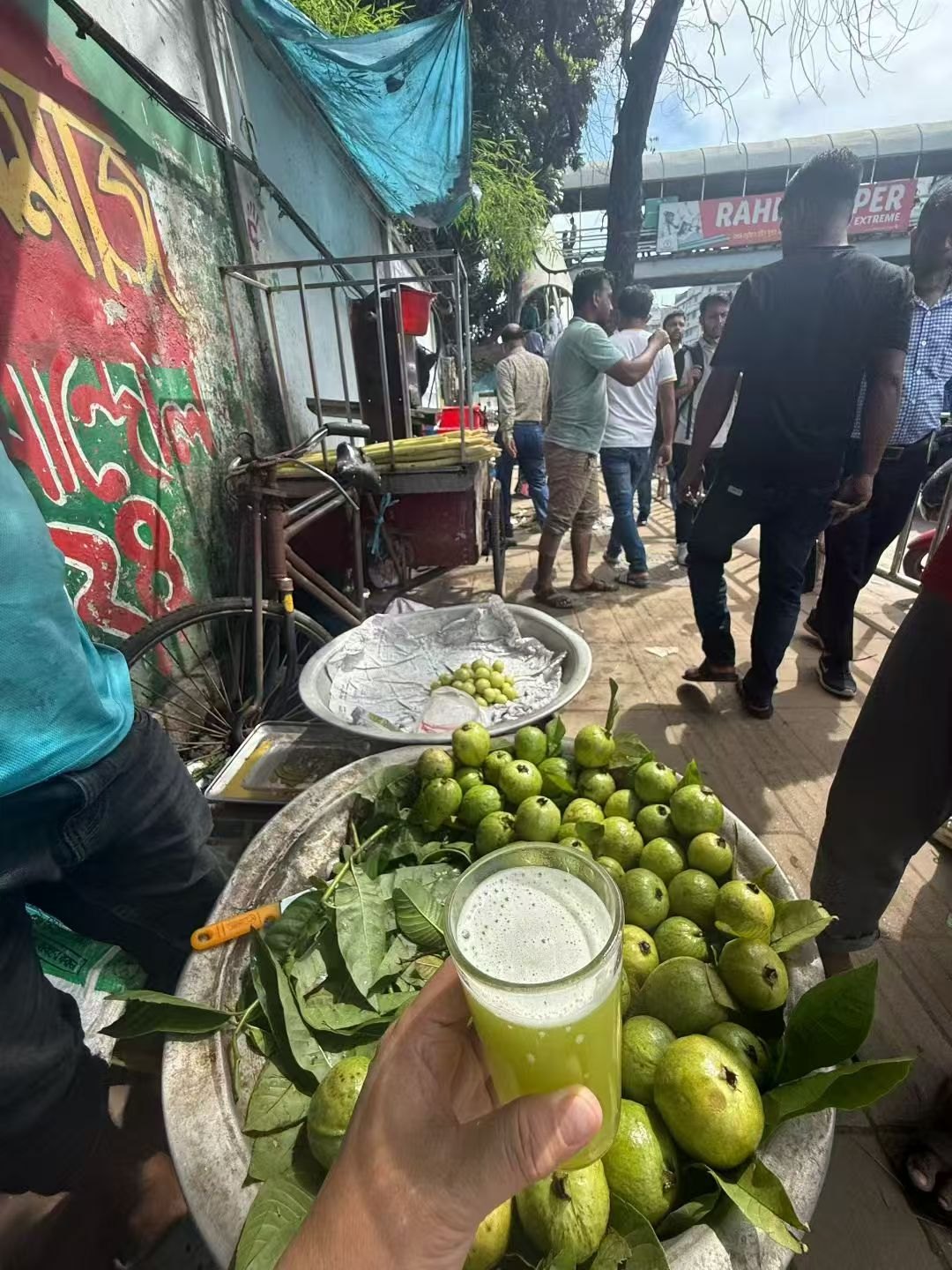
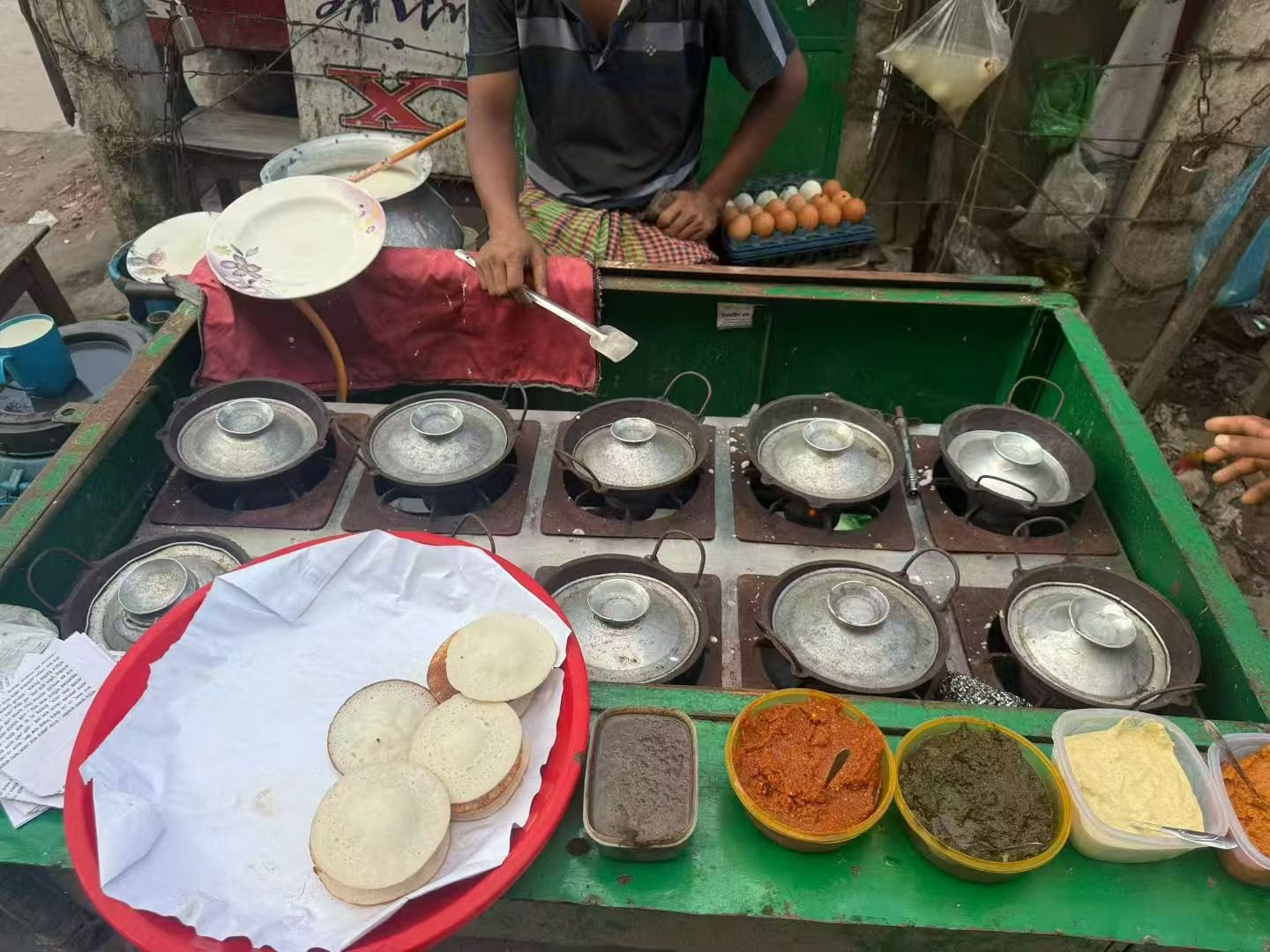
Food was not memorable because it arrived in perfect shapes. It was the movement of a vendor’s hands, the smell of spices and the crowd gathered around a stall. Snacks of beans and puffed rice in paper, bread cooking on a hot plate, sour fruit and all kinds of fried food gave me reasons to stop. These are my memories of eating there, rather than a recommendation to try every stall without judgment.
I enjoy a restaurant that makes an occasion of dinner, but I also want to find the places where local people eat. In Bangladesh, standards of street hygiene varied visibly. I could not overlook that, and I also found flavours I loved: fried snacks, beans, eggs, flatbreads and spice mixtures. I was always curious about the next stall.
Wood apple was new to me, and I remember its sharp sourness. At drinks stalls I encountered fruit mixed with aloe and spices, quite unlike the flavours familiar to me at home. My willingness to experiment belongs to that particular trip; it is not a model everyone should copy.
The most unexpected meal was a KFC in an affluent part of Dhaka. The chicken was tender and, to my taste, fried just right. I have eaten KFC in many countries, and that particular meal remains my personal favourite. It is a very individual memory, but an unusually vivid one.
Buying fabric, finding a tailor
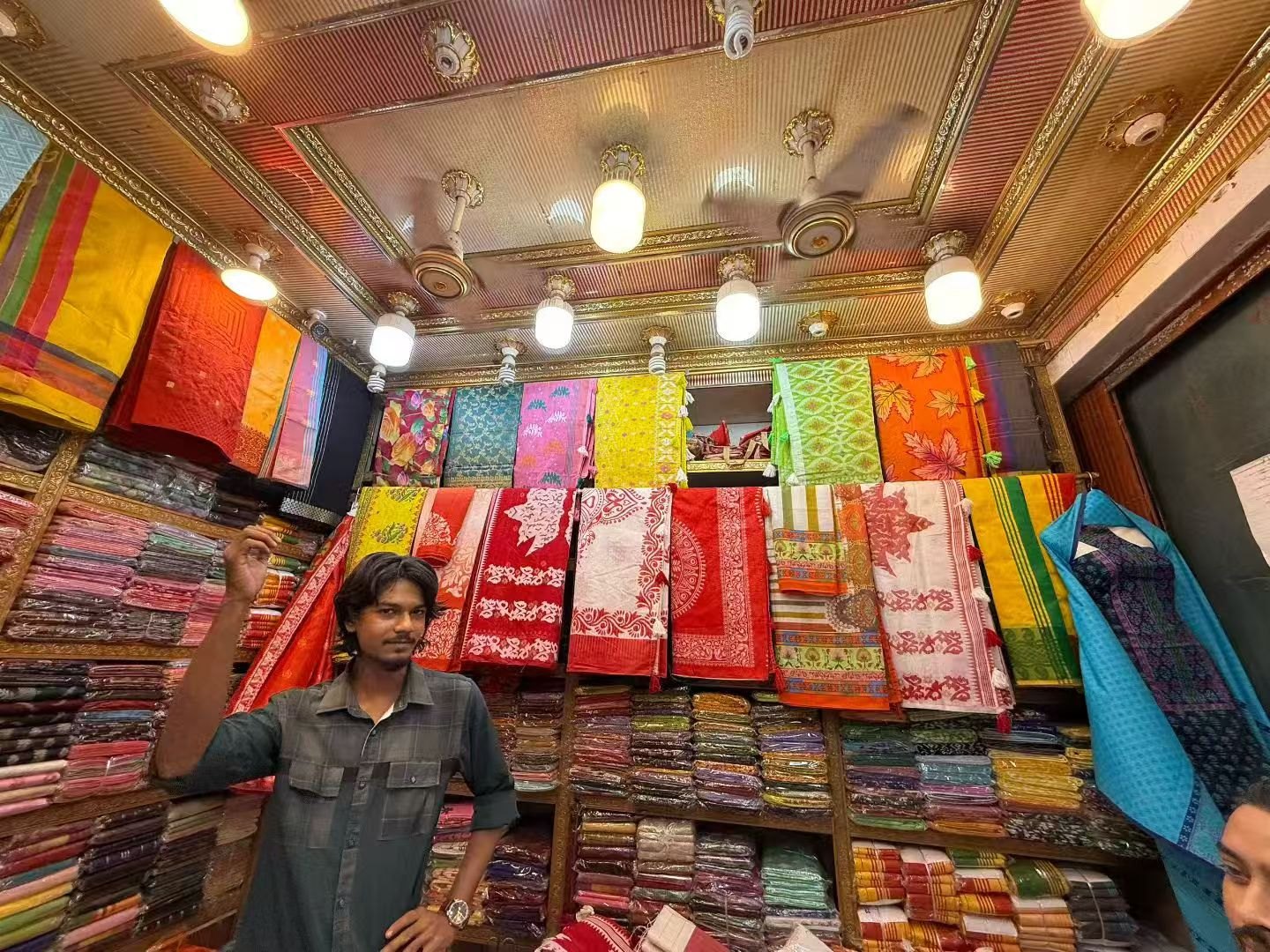
Buying fabric in Old Dhaka, I hardly knew where to begin with the colours. The patterns, combinations and lightness of the material delighted me. Choosing cloth, being measured, agreeing when to return and making a detour to collect the finished clothes all became part of the trip. I had several outfits made; the exact number matters less to me than the experience.
What drew me into the cloth shops was the fabric covering their walls: reds, greens, yellows and purples, patterns and embroidery. In Old Dhaka and Khulna, I could happily spend time just looking through the choices.
I bought cloth and had clothes made by local tailors, later returning to Old Dhaka to collect them. At the Pink Palace, I was so impatient to try a newly bought piece that I asked a local woman to help wrap it around me for a photograph. What matters now is how I wore those clothes into the journey: on boats and buses, through markets and historic sites, and in encounters with strangers.
Meeting women in different settings
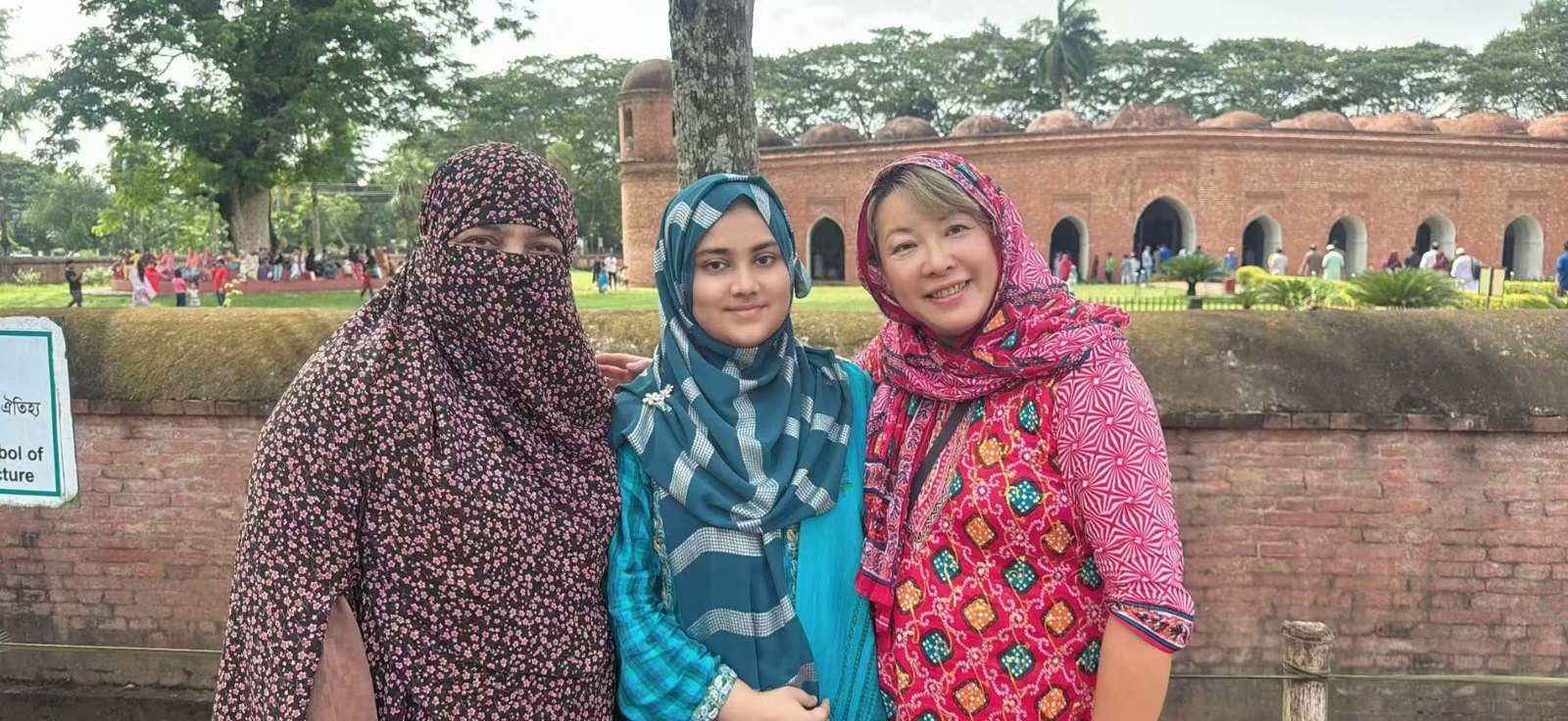
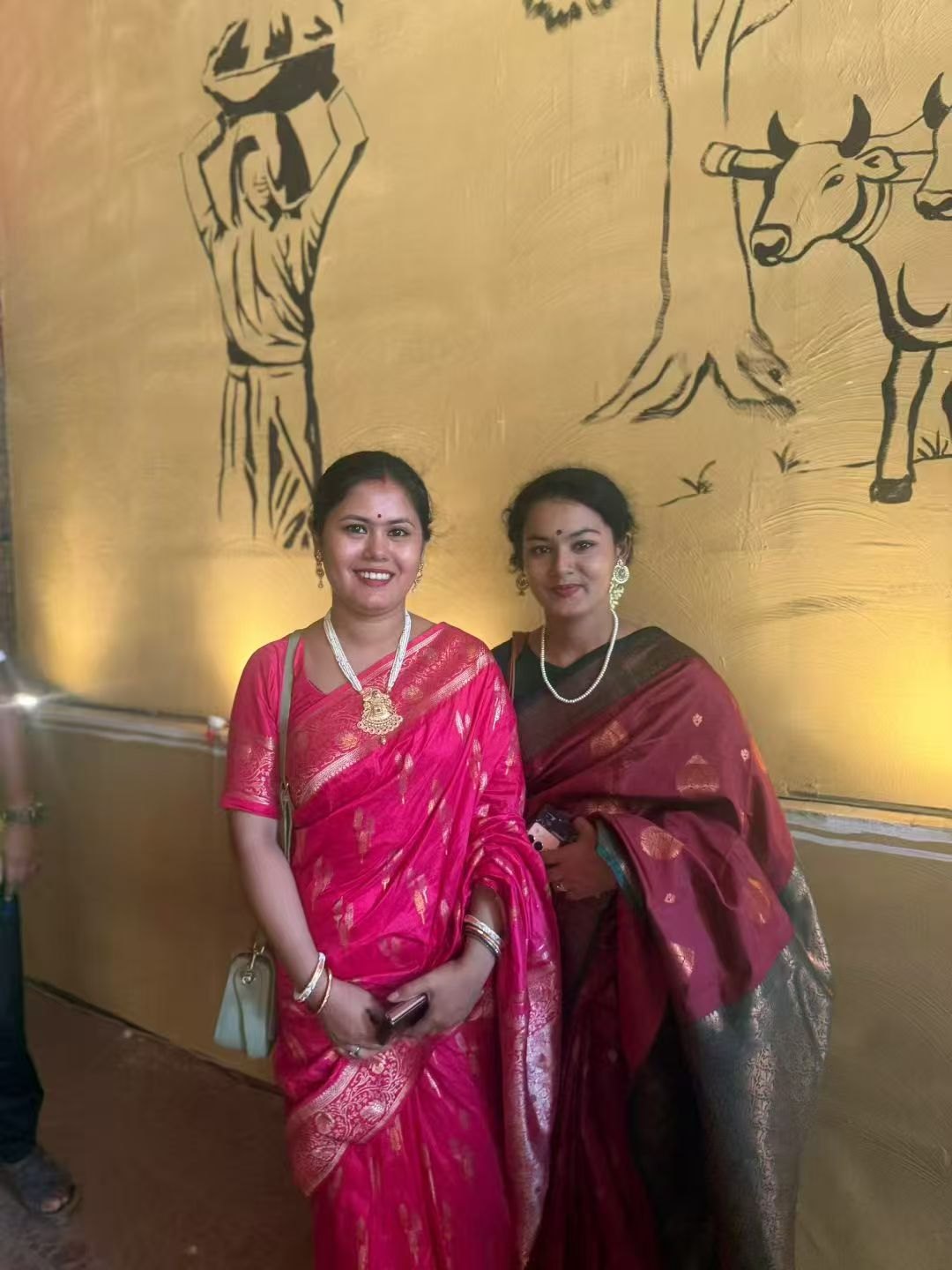
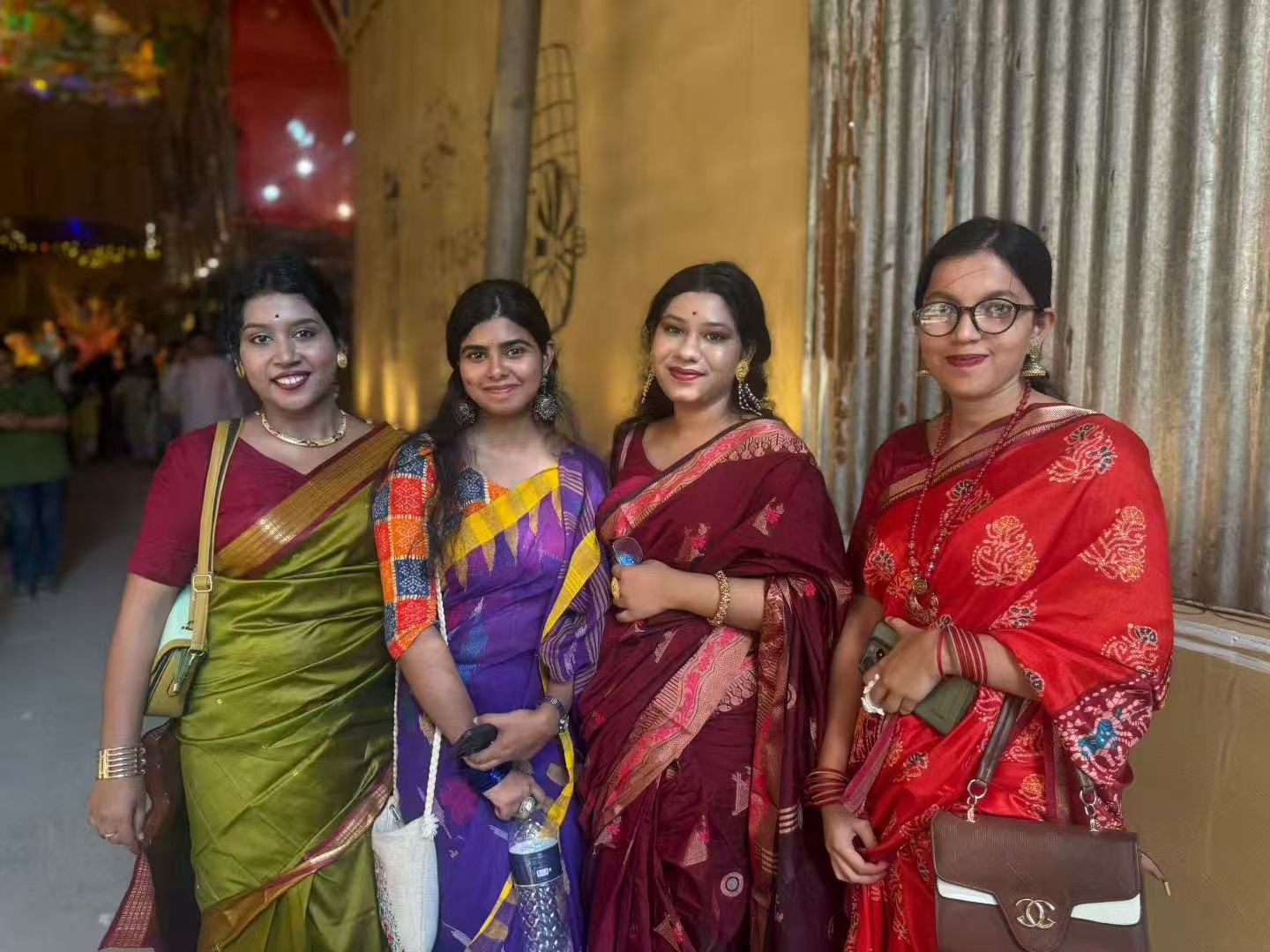
My favourite photographs are not necessarily the most carefully composed. They are moments of standing beside women I met in different places: dressed for a festival, outside a historic site, travelling on a boat or going about a day in a market. A sari, scarf or piece of jewellery cannot tell me a whole life story. These women have work, families, friends and choices of their own, far beyond the moment we shared.
Looking through the album, I noticed how many photographs I had taken with women: in parks, markets, at the Pink Palace, outside a mosque, on ferries and at a resort. Some wore saris, others headscarves, and others contemporary everyday clothes. The variety is part of what I remember.
My visit coincided with Durga Puja around late September and early October. Bangladesh has a Muslim majority as well as Hindu communities. The carefully applied make-up, jewellery and vivid saris of the celebrations stayed with me. Clothes were a starting point for conversation, never a substitute for getting to know a person.
I would like to keep following these encounters in my writing: women in Bangladesh, women in traditional communities in Ethiopia, and Jeju’s working haenyeo divers. I am curious about work, family responsibilities and room for personal choice, as well as creativity, taste and practical wisdom. Those questions need more listening than one visit can provide.
Exam books and possible futures
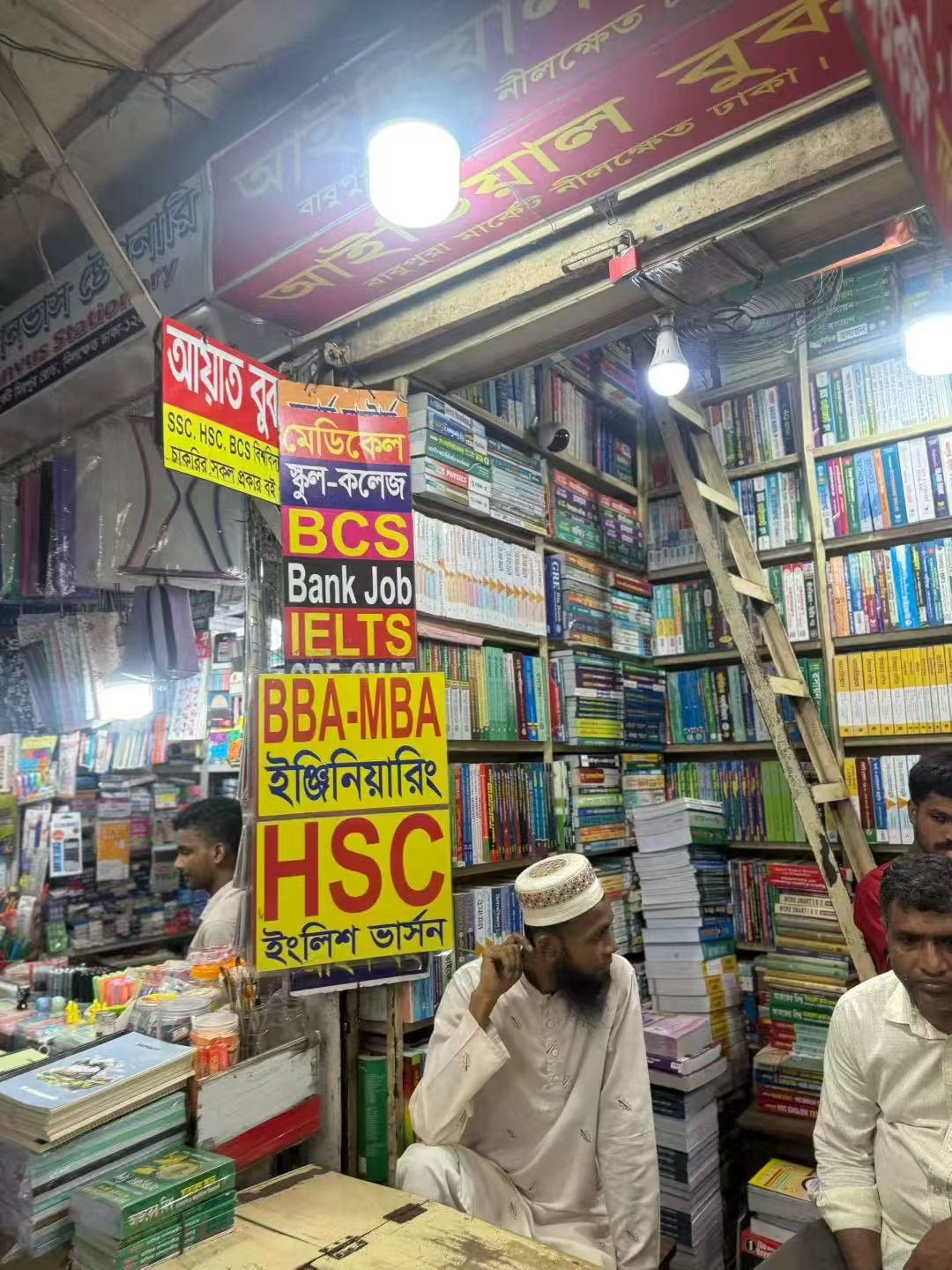
IELTS, Bank Job, BCS and BBA–MBA appeared together on the signs at the book market. Several possible futures seemed to crowd onto one board: a banking job, a qualifying examination, an overseas education. These were books that someone would buy, read and practise from. Education, family circumstances and opportunity all shape what an examination can change. The desire for more choices felt familiar.
Walking from New Market towards the InterContinental in Dhaka felt like moving between worlds. Outside, the streets were packed; inside, there was cool air, quiet and music. Near the market I had seen rows of IELTS, GRE, GMAT and bank-job preparation books. The words ‘Bank Job’ especially caught my eye.
I also spoke with a young man about his education in computer science and engineering. Together with the books, the conversation left me wondering what English and formal qualifications might make possible for young people there. One interview could not answer that question. It gave me a reason to keep thinking about it.
The kindness I remember
When someone offered to pay a fare or share a snack, it was not the small sum that moved me. It was the willingness of a stranger to make my day easier. I also met a woman involved in environmental work and listened to her talk about community life. I keep the private parts of that conversation private. What belongs in this story is her openness in sharing something of her life with a visitor.
People helped with directions, offered food and sometimes paid for a bus or rickshaw ride. Requests for selfies were frequent; occasionally a member of staff at a visitor site wanted a photograph before anything else. Those encounters cannot stand for an entire nation. They are particular acts of kindness that I still remember.
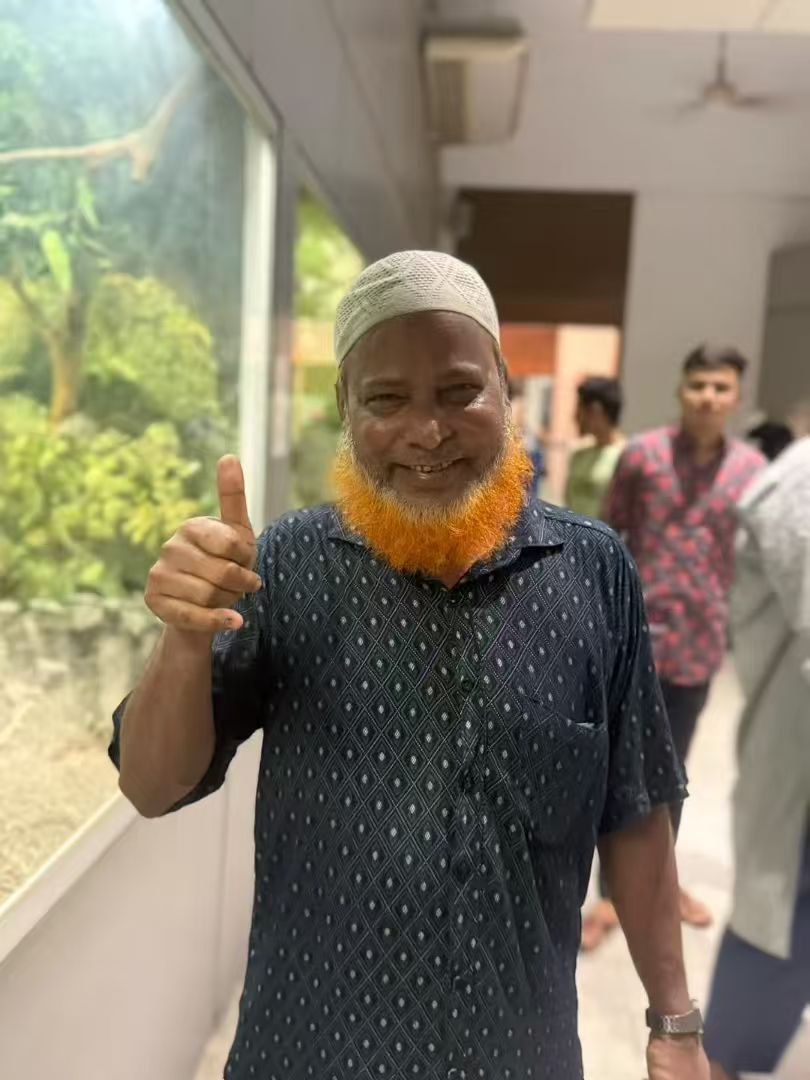
I noticed older men with orange-red beards, too. Later I learned about the use of henna to colour facial hair. A small visual detail, noticed almost by chance, can become an opening into a cultural practice I knew little about.
Heritage, rain and my own pace of travel
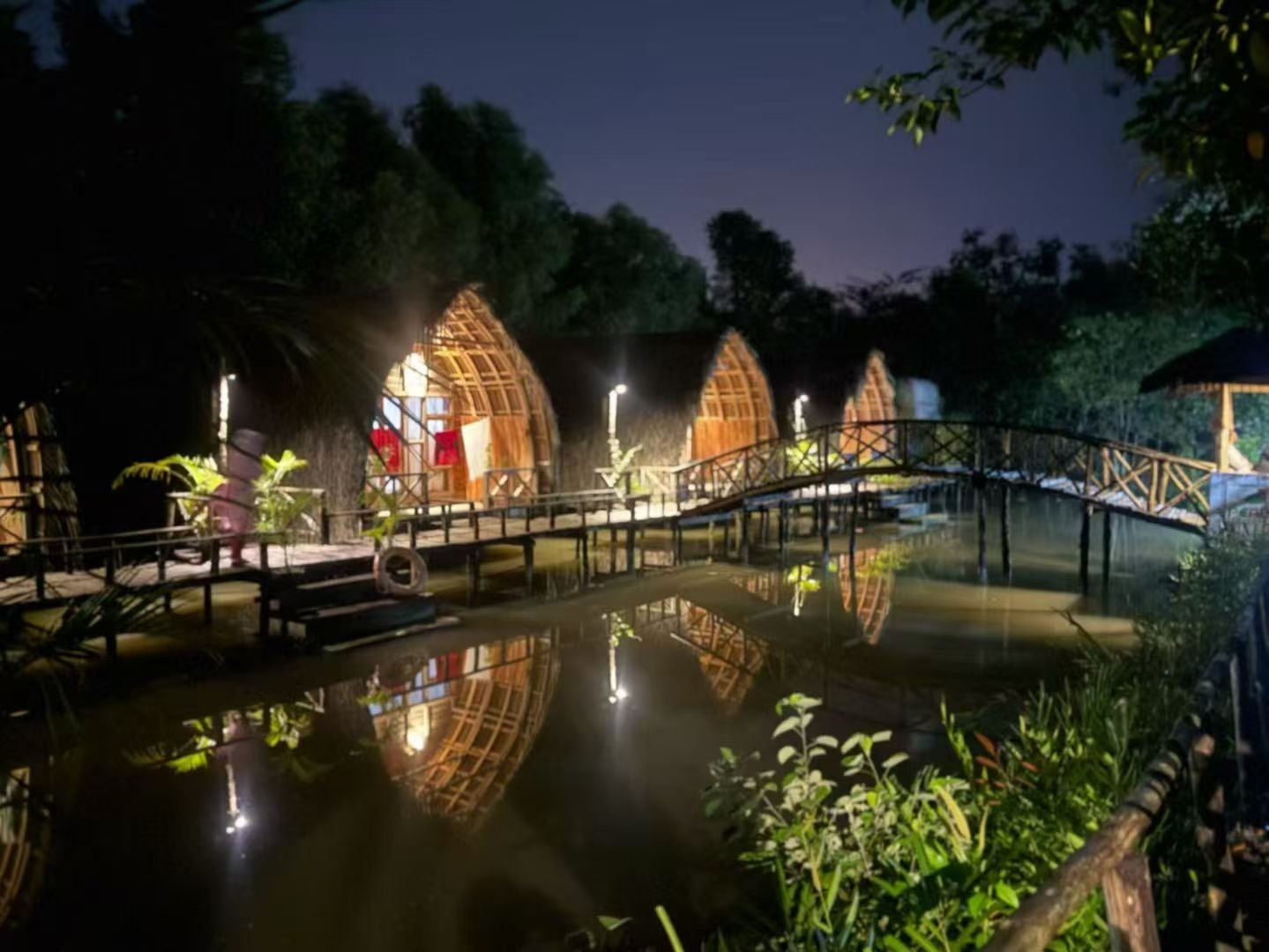
On the Buriganga River, pollution and busy livelihoods occupied the same view. People rowed, moved cargo, boarded ferries and traded along the banks. The activity did not erase the environmental damage. In the mangroves, too, the significance of the landscape sat alongside the practical experience of rain, transfers, boat journeys and the animals I did not see.
To reach the Sundarbans, I first returned from Cox’s Bazar to Dhaka to collect my clothes, then flew to Jessore, continued to Khulna and travelled on by boat. After all that movement, my guide said I had just missed a dolphin. I did not see a Bengal tiger either.
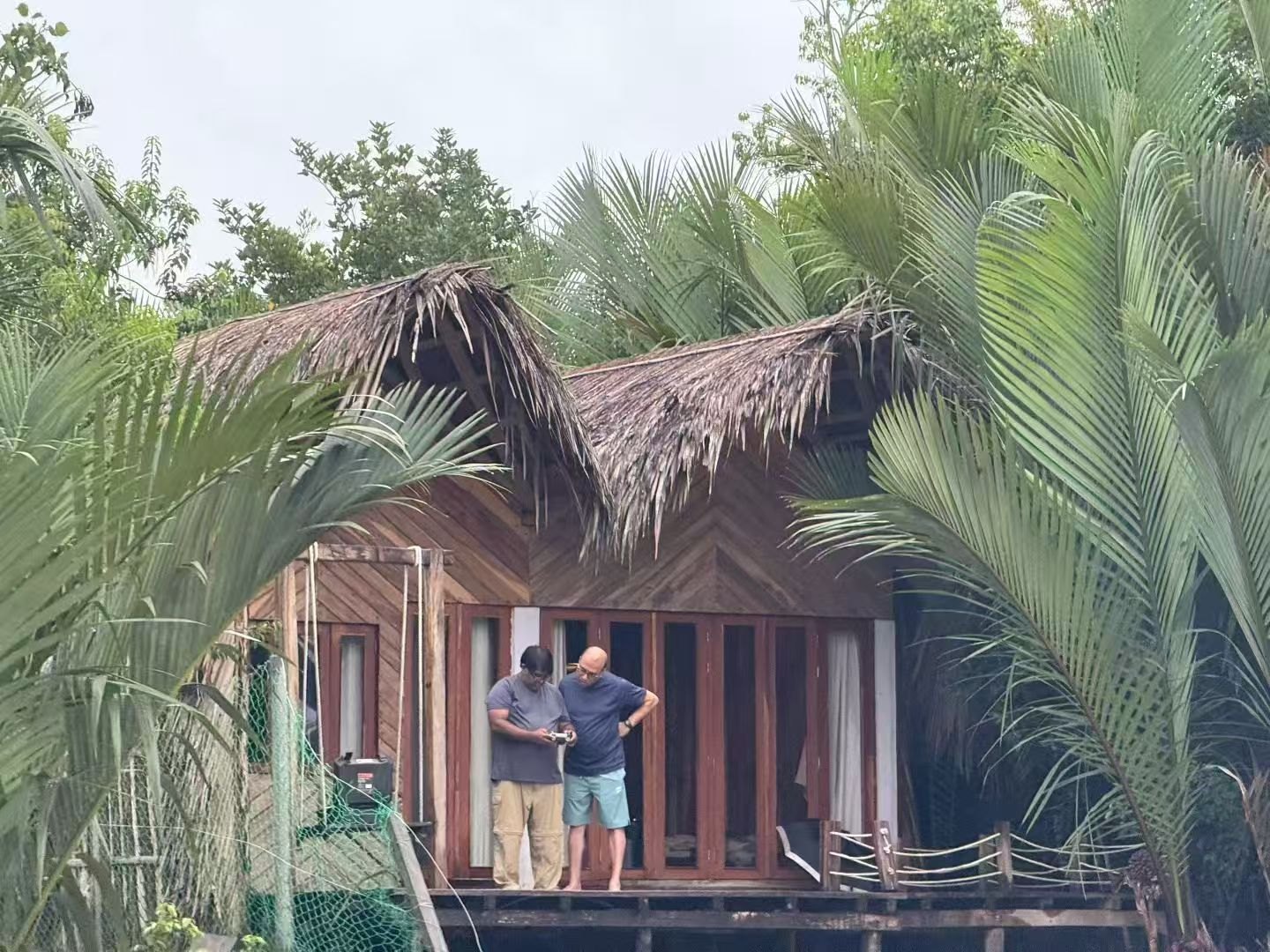
That evening I stayed in a waterside wooden cabin, watched local music and dance, and tasted freshly collected honey. Rain arrived the next day. I gave up the planned walk and listened to the rain while I slept. There was no need to complete every activity simply because I had come so far. That freedom is one of the things I love about travelling independently.
I went on to Bagerhat’s historic mosque city and visited the Sixty Dome Mosque. I could recognise its historical importance without finding every part of the presentation especially compelling. The young women I met outside, and people selling vegetables and flowers along the way, often held my attention longer. Heritage mattered, and so did the life continuing around it.
Street life and hotel life
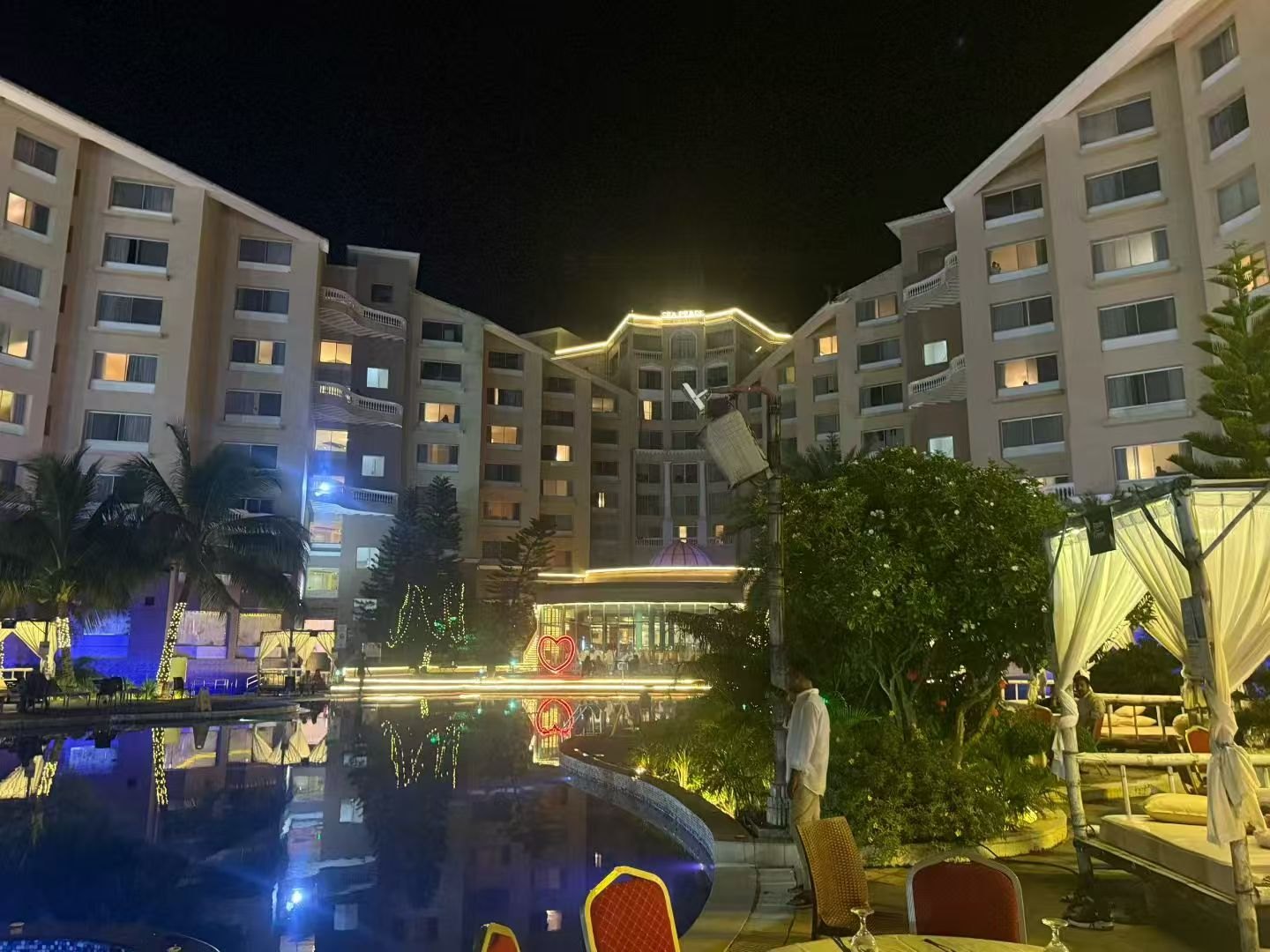
Moving from a long journey to the illuminated pool of a resort in Cox’s Bazar could feel like entering another city. One night I was still eating lobster and crab after one in the morning, then arrived late for breakfast the next day. That freedom of rhythm suited me. A guest complaining repeatedly to a manager also reminded me how much a hotel reveals about expectations of service, without allowing me to infer an entire social class from one encounter.
By day I explored lanes, took motorbike rides and tried snacks. In the evening I was also happy to return to a comfortable international hotel. The InterContinental in Dhaka, the Radisson in Chittagong and a resort in Cox’s Bazar showed me another side of the same country. Facilities were not flawless everywhere, but I appreciated many details of the service.
At hotel pools I saw guests swimming in clothing that covered their bodies, sometimes with head coverings. I also tried entering the water in sportswear. A shared leisure space can be used differently within different cultural and family settings. Moving between street meals and hotel dining kept raising another question for me: what, exactly, am I paying to experience?
The particular people I want to remember
The women in my photographs were not living one interchangeable life. Some were dressed for a festival, some were working, some smiled from a boat. One day I may place these encounters beside those from Ethiopia and Jeju and write more about tradition, work, education and opportunity. This account does not answer on their behalf. It records a few moments in which our lives briefly crossed.
I had travelled towards famous sights, yet what remained was the food, the fabric and the people willing to stop and talk. Someone studied for an examination, someone earned a living moving goods or operating a boat, someone dressed with care for a celebration. Those ordinary actions made the country memorable to me.
A year later, my understanding of Bangladesh has become more complicated rather than simpler. I still remember the congestion and inconvenience. I also want to keep looking at life beyond those first impressions. A place always contains more than the labels attached to it.
Having travelled to 102 countries, I increasingly value the people whose lives differ from mine, and the encounters that let me see a little beyond my own experience. Those are the memories I want to keep writing about.
Discuss an editorial collaboration ↗