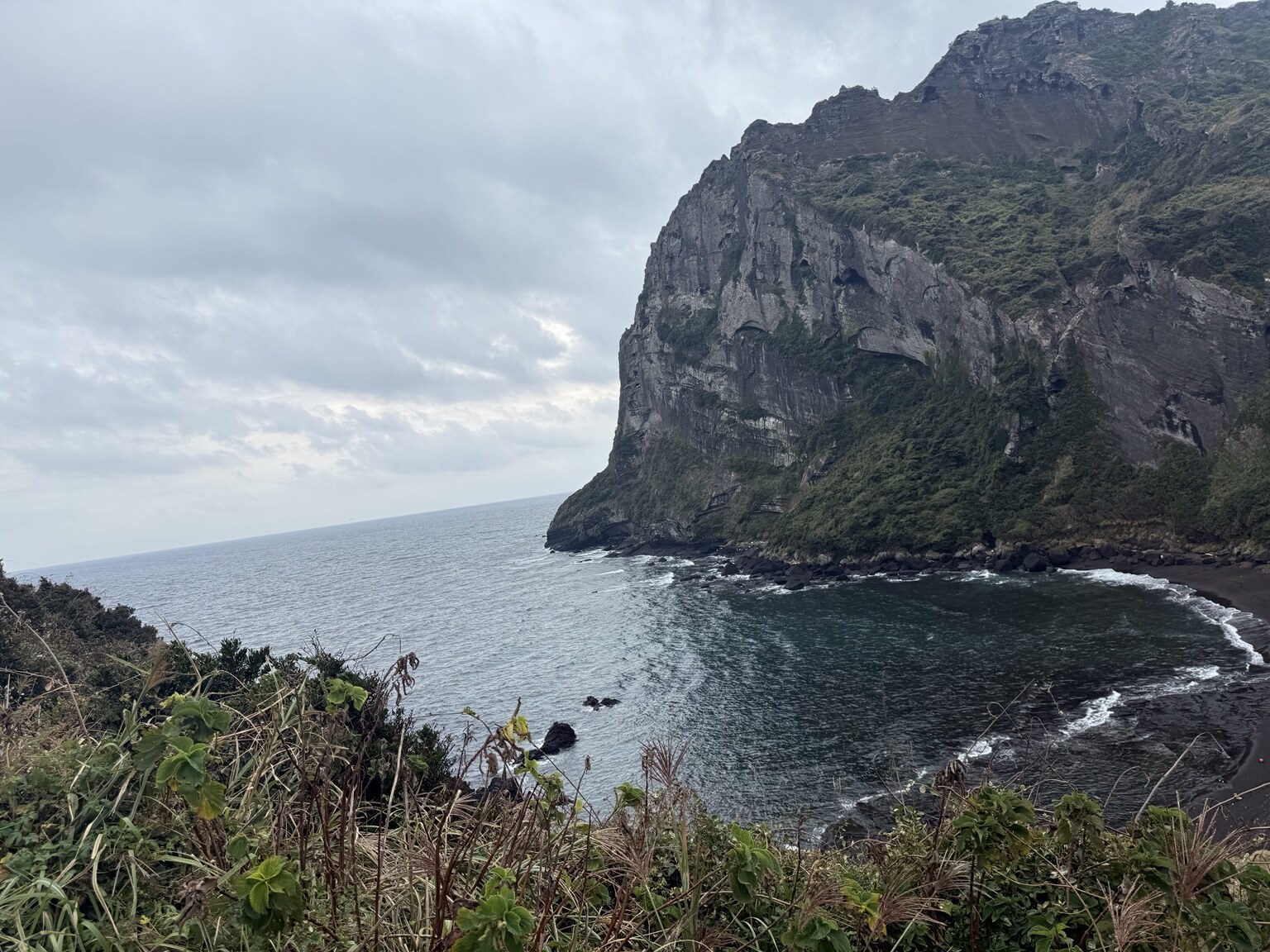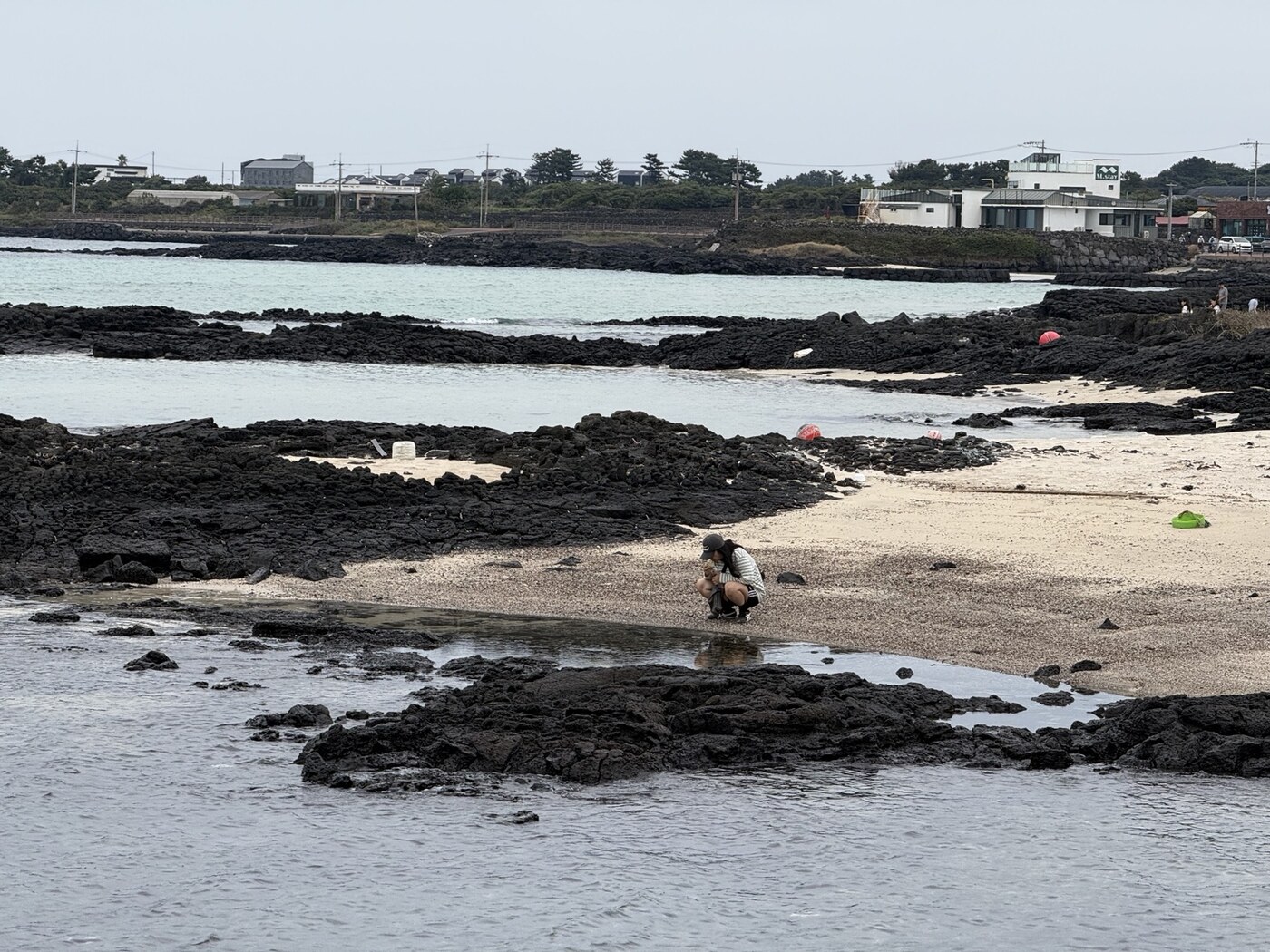
During my first visit to Jeju, I wanted to understand the UNESCO names I encountered. A UNESCO designation does not simply tell me where to take a beautiful photograph. Each programme has its own purpose and recognised area.
2002: a biosphere reserve
UNESCO’s Jeju Island biosphere entry records 2002. Its description includes Mount Hallasan, stream corridors and islets. The programme connects ecological conservation with the ways people live and develop within a landscape.
2007: natural World Heritage
Jeju Volcanic Island and Lava Tubes entered the World Heritage List in 2007. Its three components are Mount Halla, Seongsan Ilchulbong and the Geomunoreum lava-tube system. The listed property is a defined collection of sites; it does not mean every part of the island is World Heritage.
2010 and 2015: two dates for the geopark
Visit Jeju records membership of the Global Geoparks Network in 2010. UNESCO’s current Jeju Island UNESCO Global Geopark entry gives 2015 as its designation date. These refer to different stages, so I keep the distinction rather than treating the dates as interchangeable.
The geopark perspective connects geological heritage with local culture, education and communities. It invites me to consider how the island’s landforms relate to the places and lives I encounter.
When I next see a UNESCO sign, I want to ask which programme it belongs to, what area it recognises and how I can spend time there thoughtfully. Understanding why a place matters adds something to the journey.
Discuss an editorial collaboration ↗